Explore
the Flaming
Cliffs
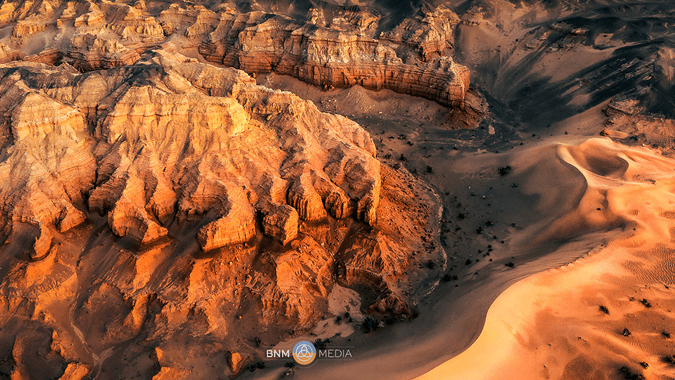
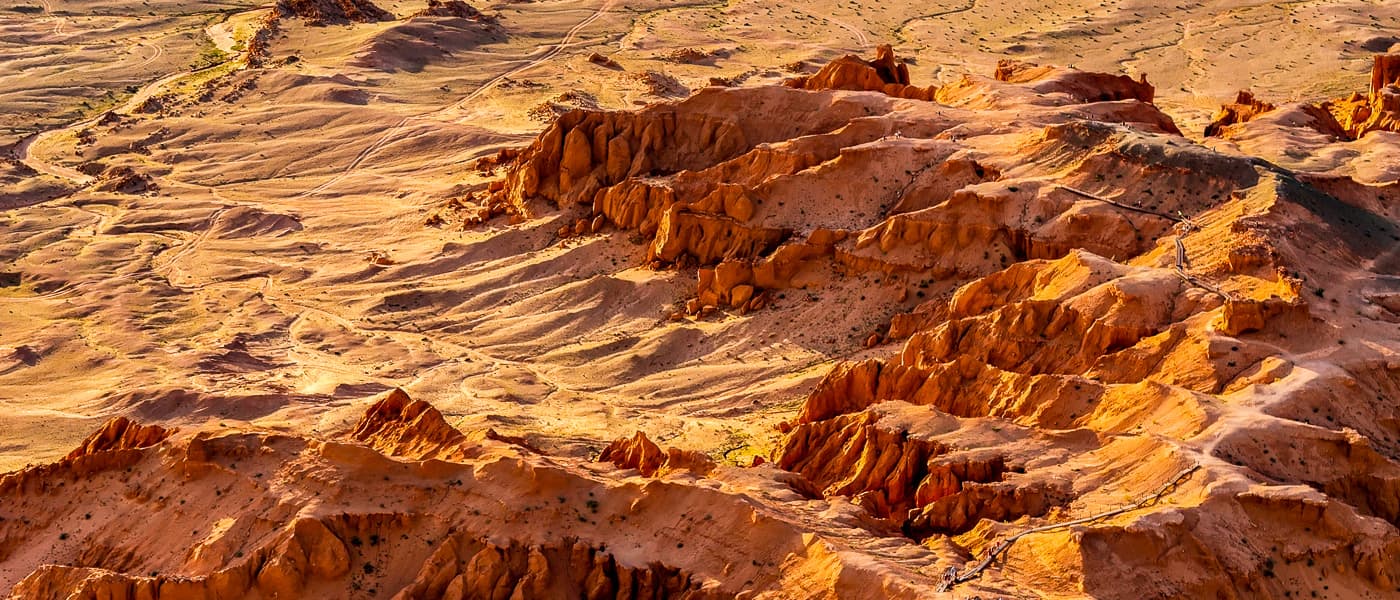
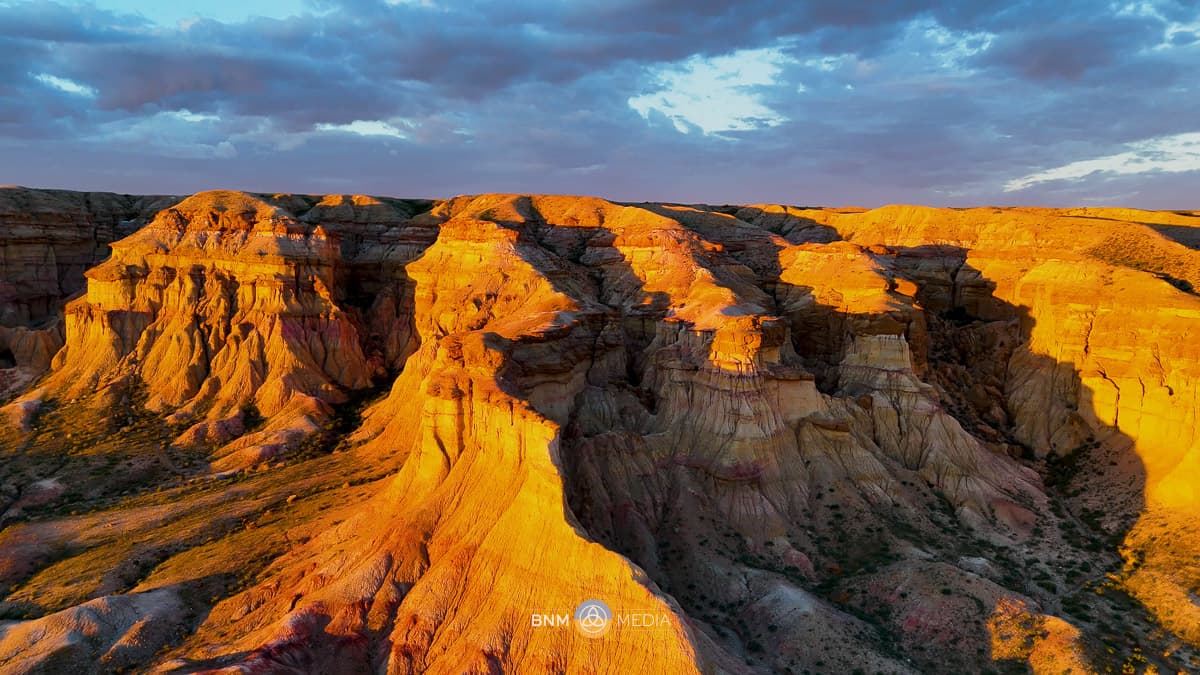
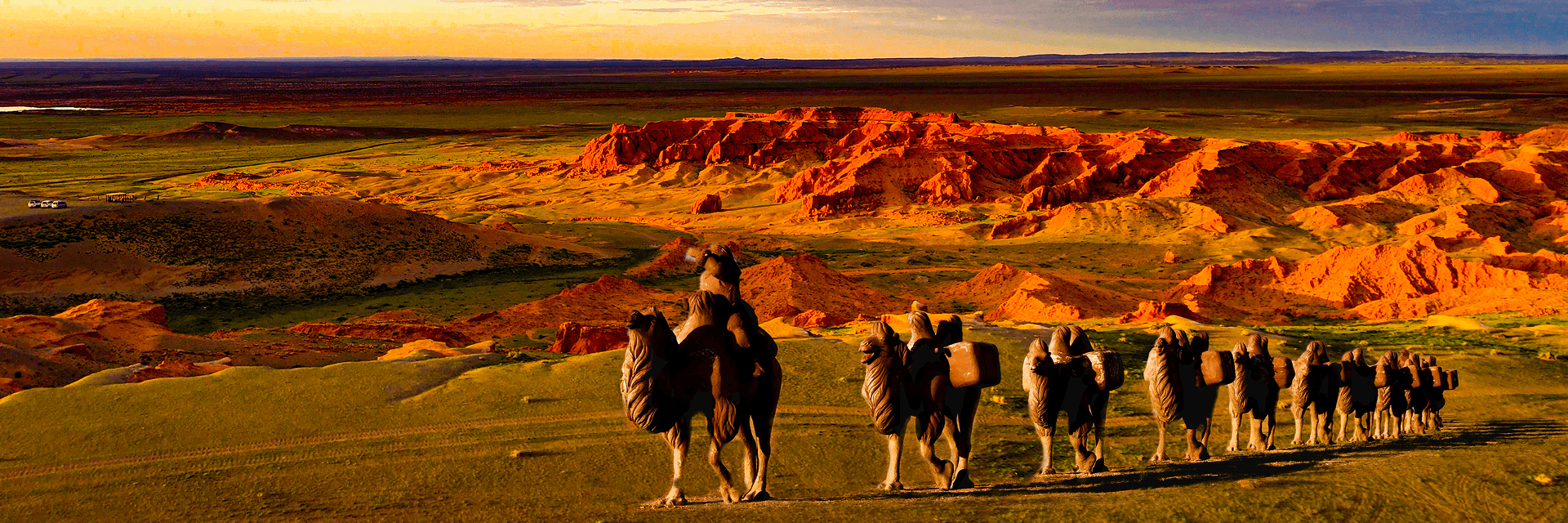
Walk through the landscape where dinosaur eggs were first uncovered. Witness ancient red cliffs ablaze at sunrise in the heart of the Mongolian Gobi.
1923
First discovery
70M+
Years of history
~585 km²
Protected area
What Makes Flaming Cliffs a Special Destination
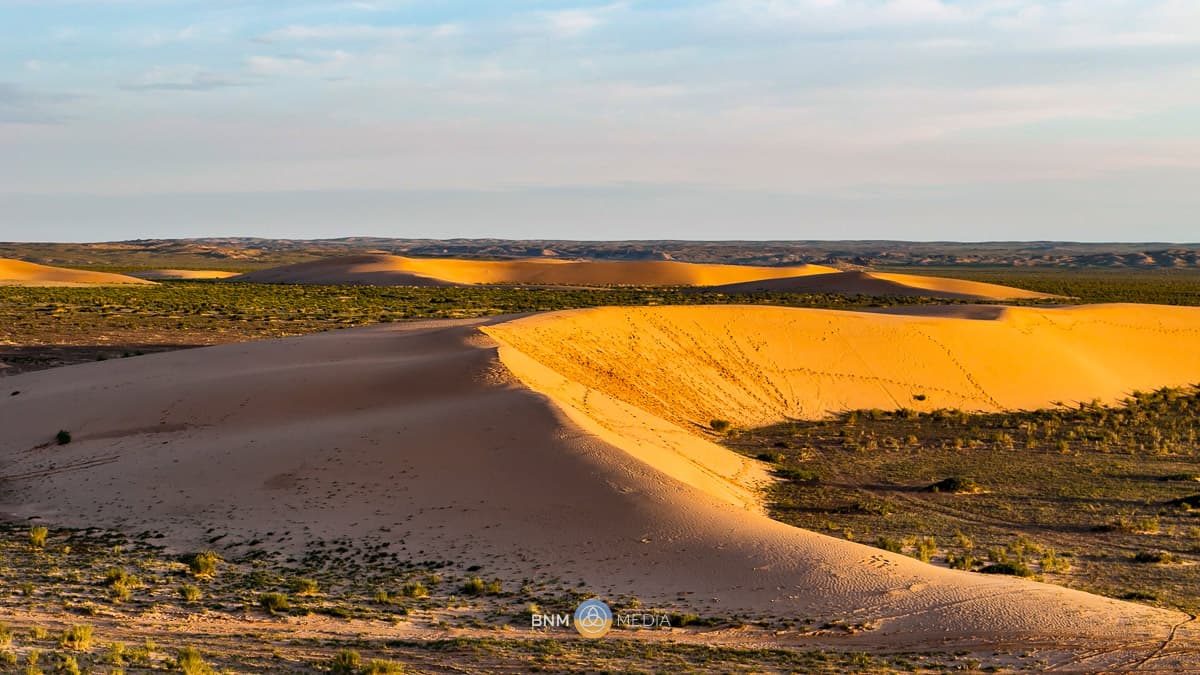
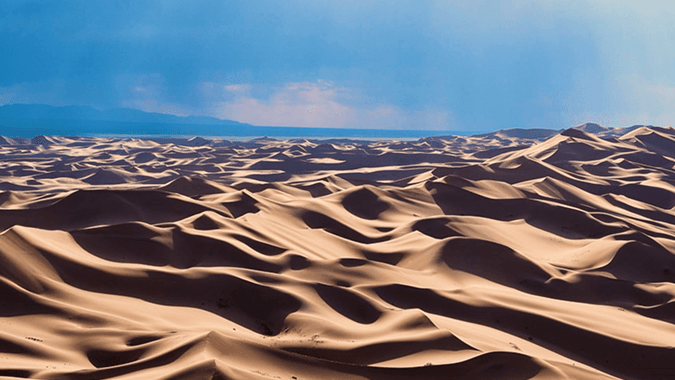
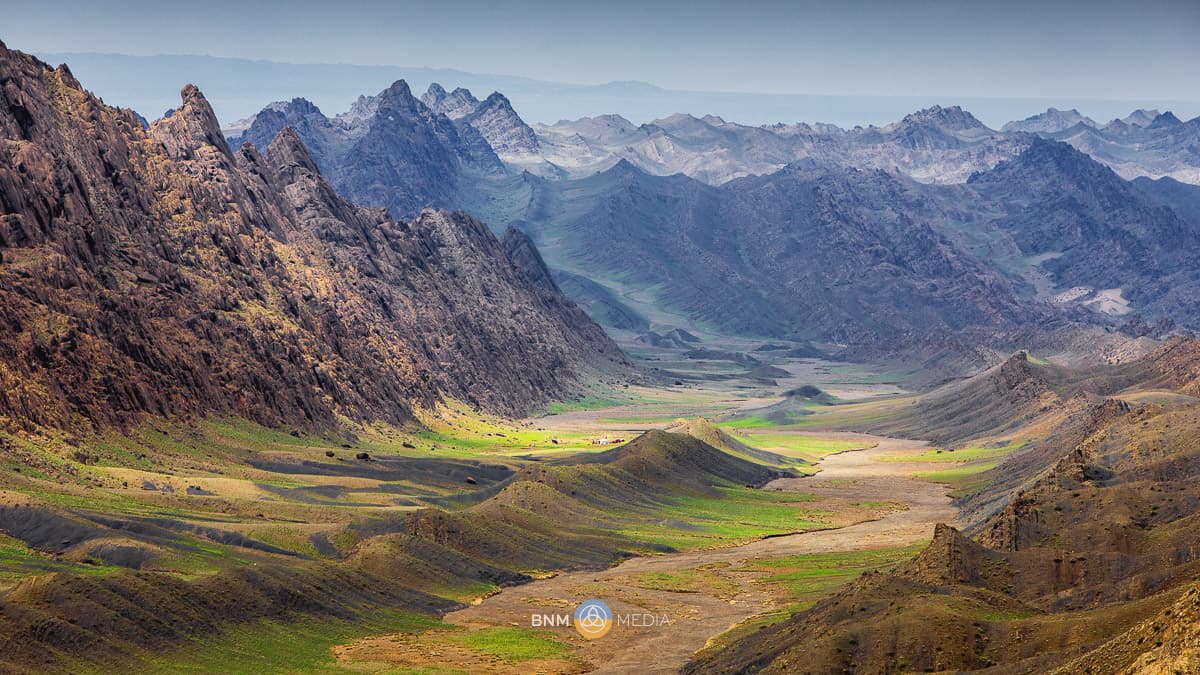
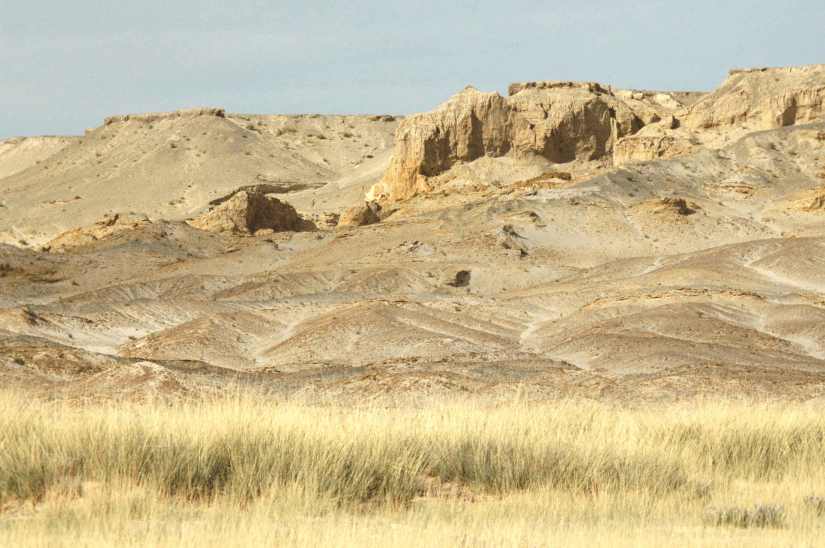
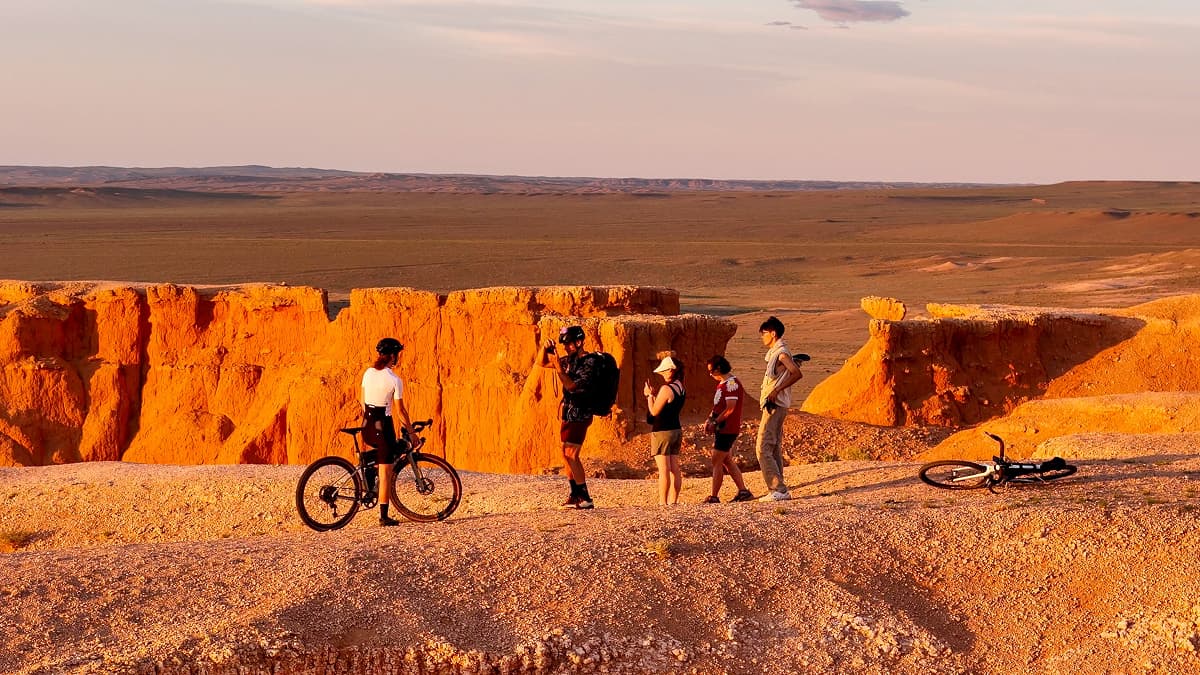
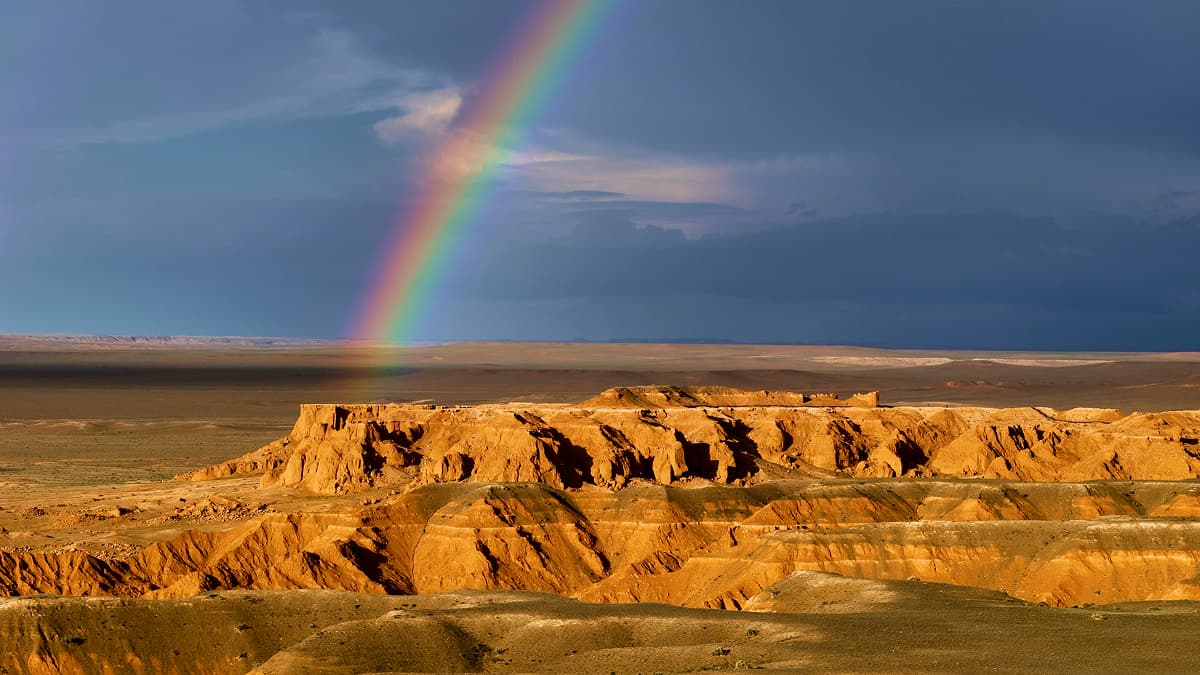
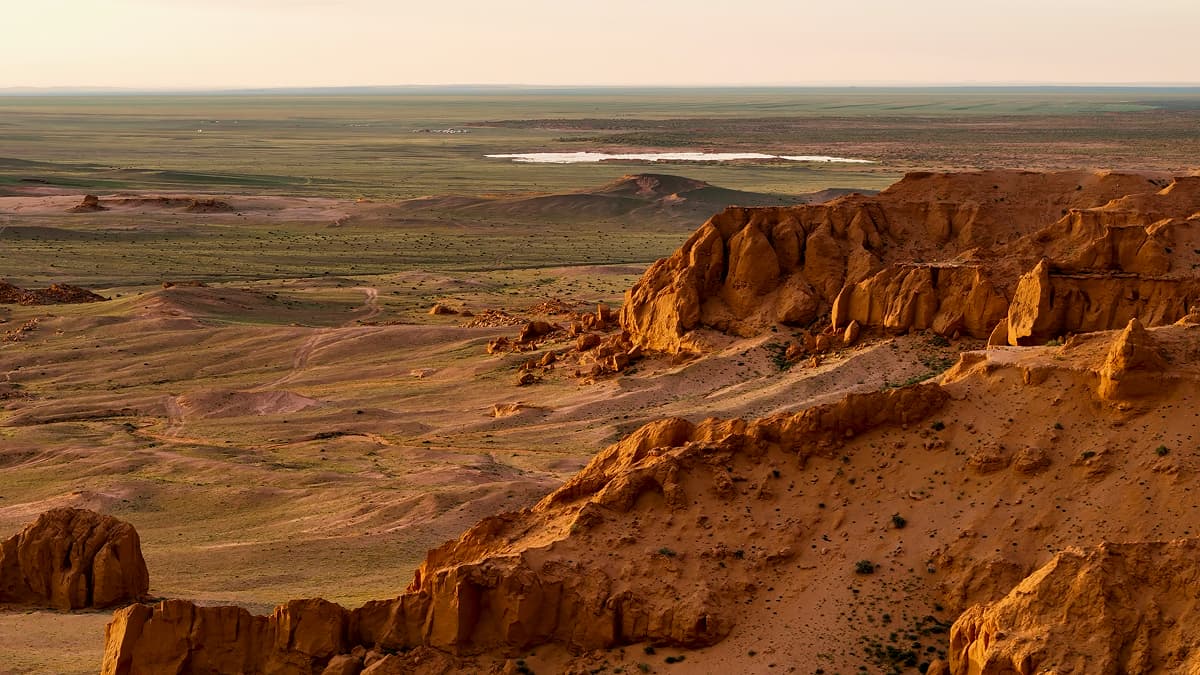
The towering red cliffs of Bayanzag, glowing like flames at sunrise and sunset, create one of the most striking landscapes in Mongolia. Vast valleys stretch endlessly across the horizon, remaining largely untouched by permanent settlement and modern urban development. This unspoiled environment preserves a sense of remoteness and authenticity rarely found elsewhere in the world.
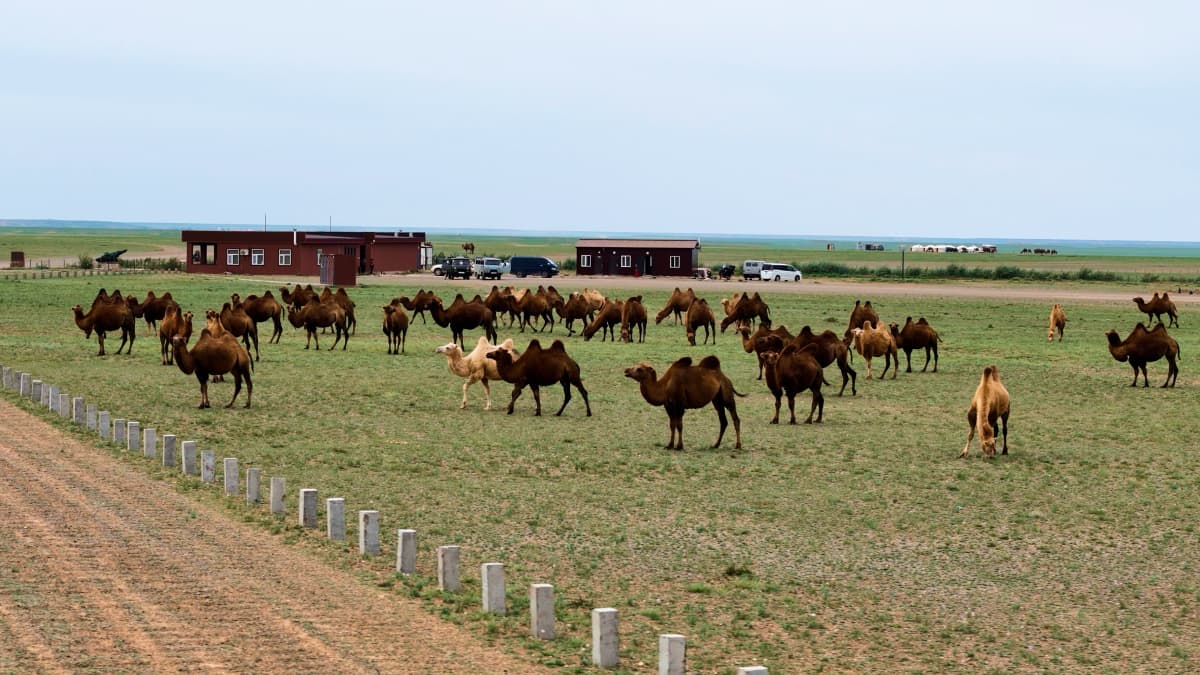
For centuries, traditional nomadic pastoral culture has continued here, with herding families maintaining their ancestral way of life. Livestock graze freely across open pastures, moving peacefully through the wide desert-steppe landscape. Herds of gazelle and other wild ungulates roam the plains, blending seamlessly into the natural rhythm of the land.
A visitor could easily experience the quiet early mornings and evenings, combined with the unique landscape, getting a deep sense of endless space and quietness. These experiences offer visitors a rare opportunity to experience the tranquillity, beauty, and living heritage of Mongolia’s vast and picturesque Gobi Desert.
What Visitors Understand and Appreciate
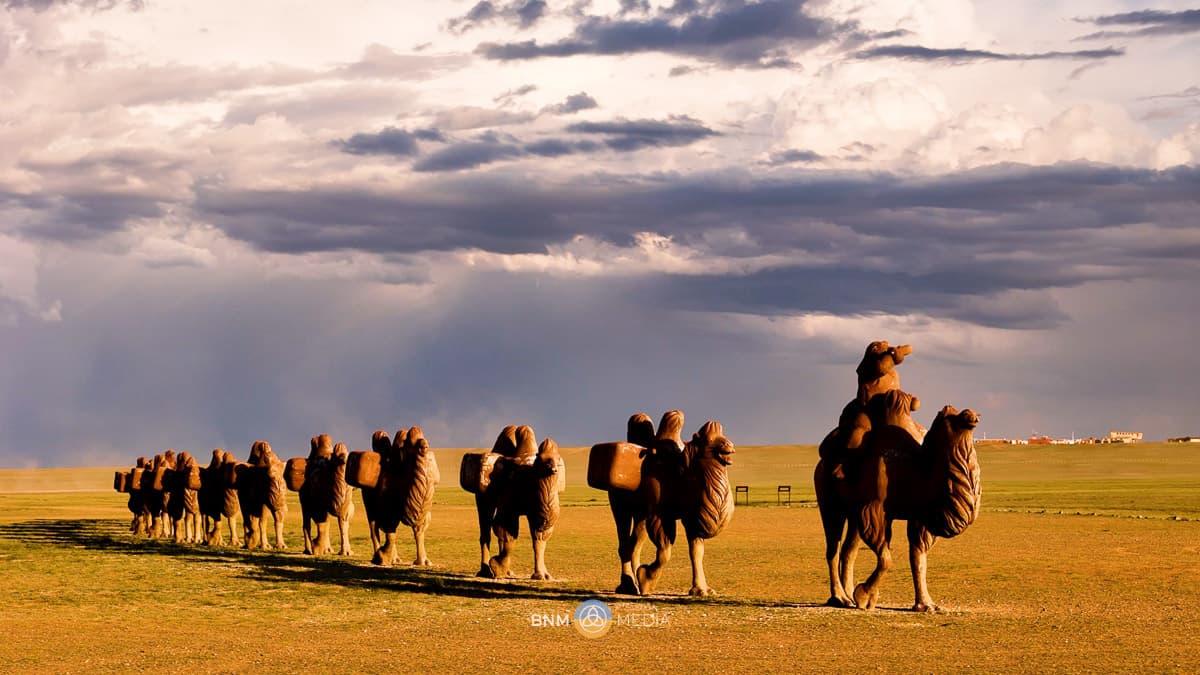
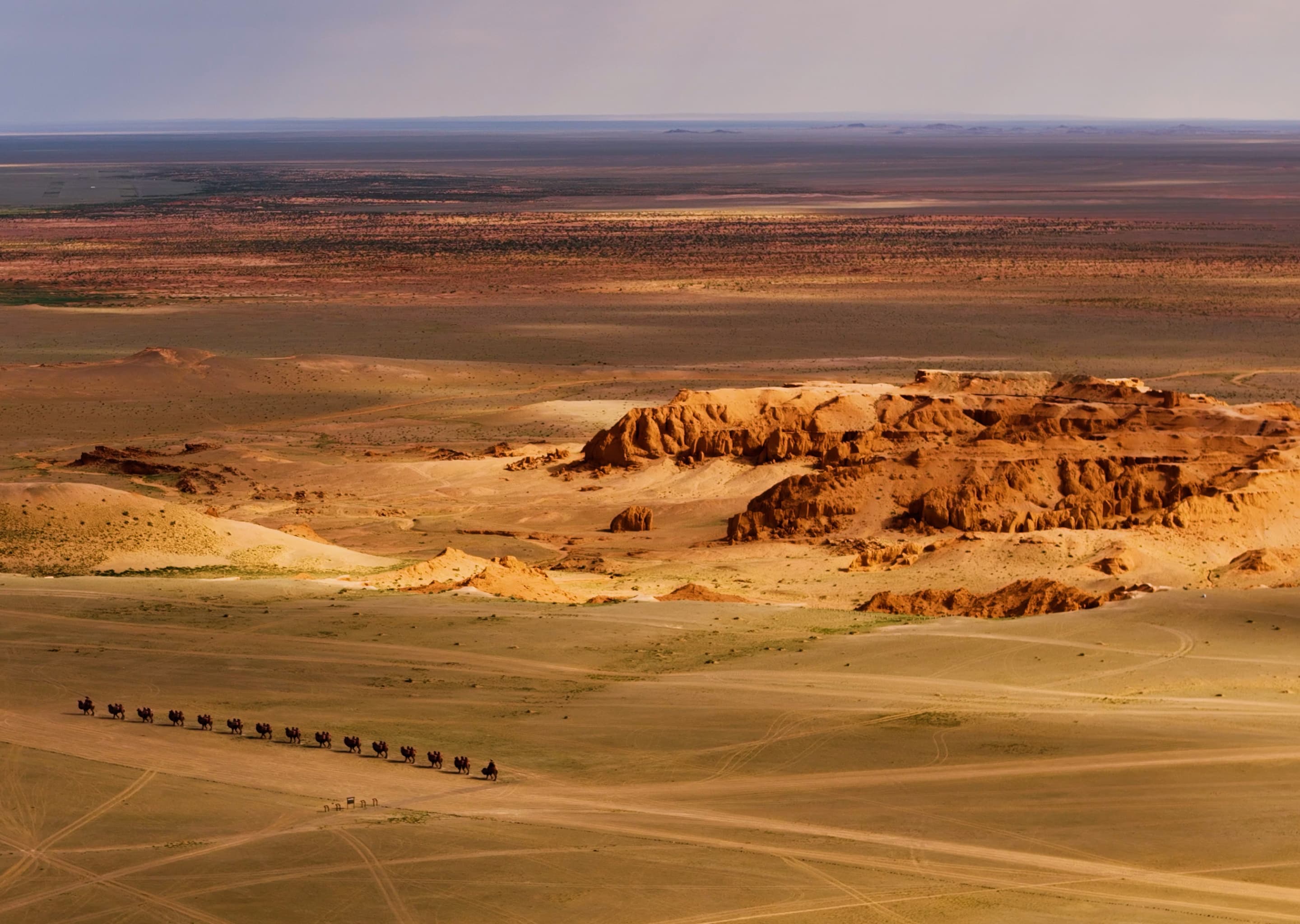
Bayanzag is known to the world as the place where dinosaur eggs were first discovered — where Roy Chapman Andrews from the American Museum of Natural History, NYC, and his team in 1923 discovered a brand new Cretaceous world in Mongolia and changed paleontology forever. That story is extraordinary as the expedition was supported by camel caravan and the first ever motorized vehicles were used in the Central Asian plateau.
When visitors leave the Flaming Cliffs, they leave with something deeper: the understanding that Bayanzag is not only a place where ancient life was preserved — it is a place where life has never stopped. Today, visitors can experience the same culture and interaction with local herders as explorers did in the early 20th century.
The same desert that embodied Protoceratops nests 70 million years ago is still home today to families who herd livestock across its floor for generations, following their ancient way of living. They read the land for water, move with the seasons, build their gers and break camp with a fluency that comes from centuries of tradition.
Information Center
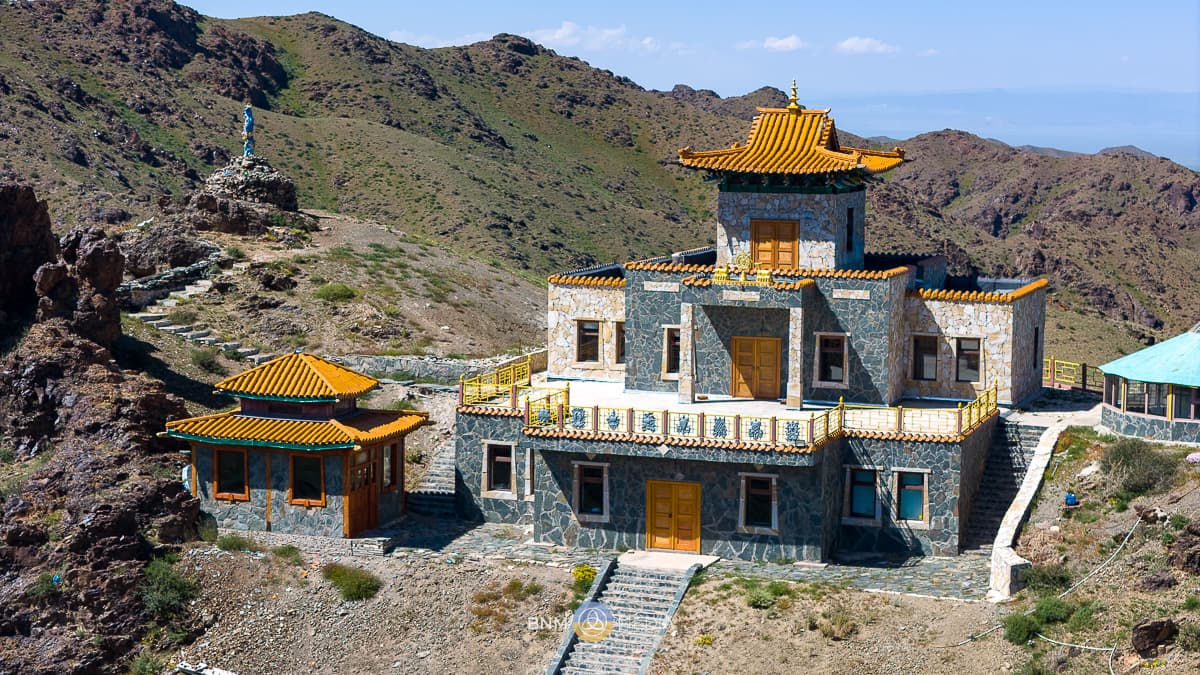
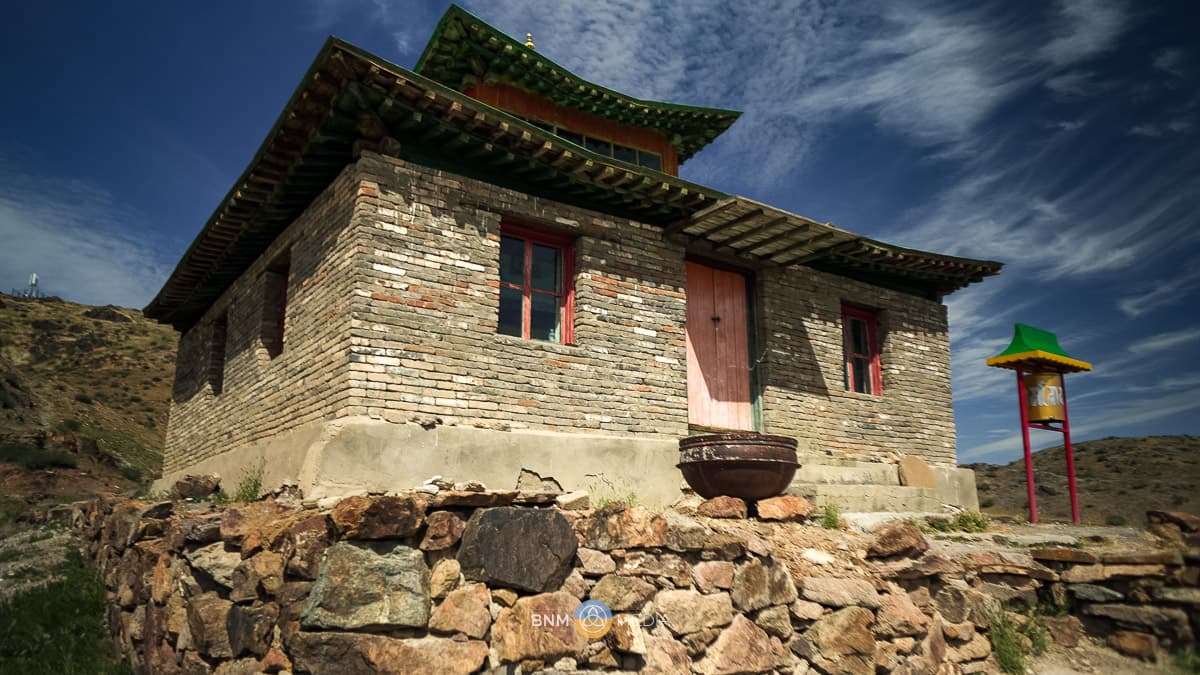
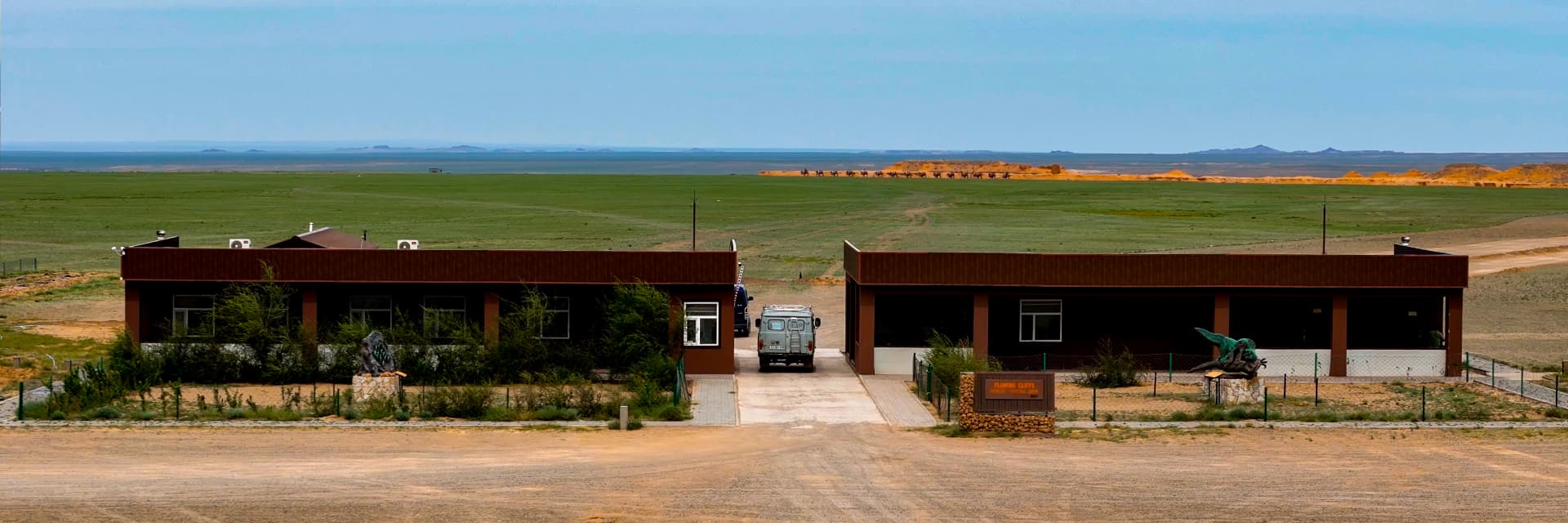
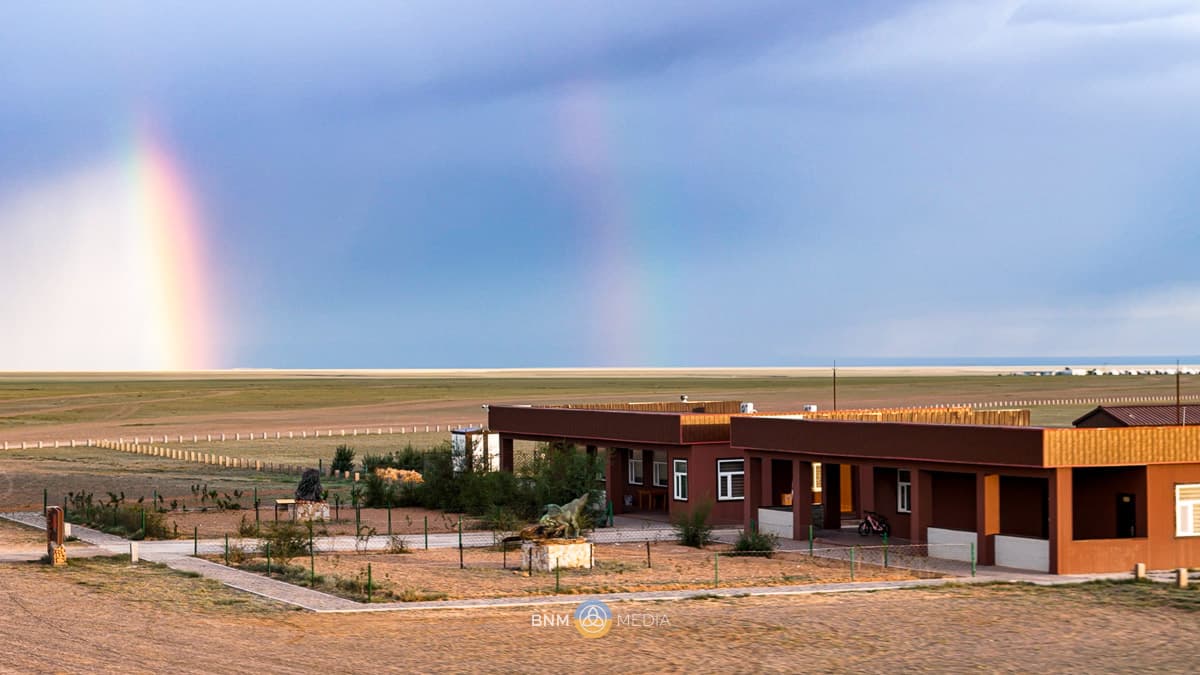
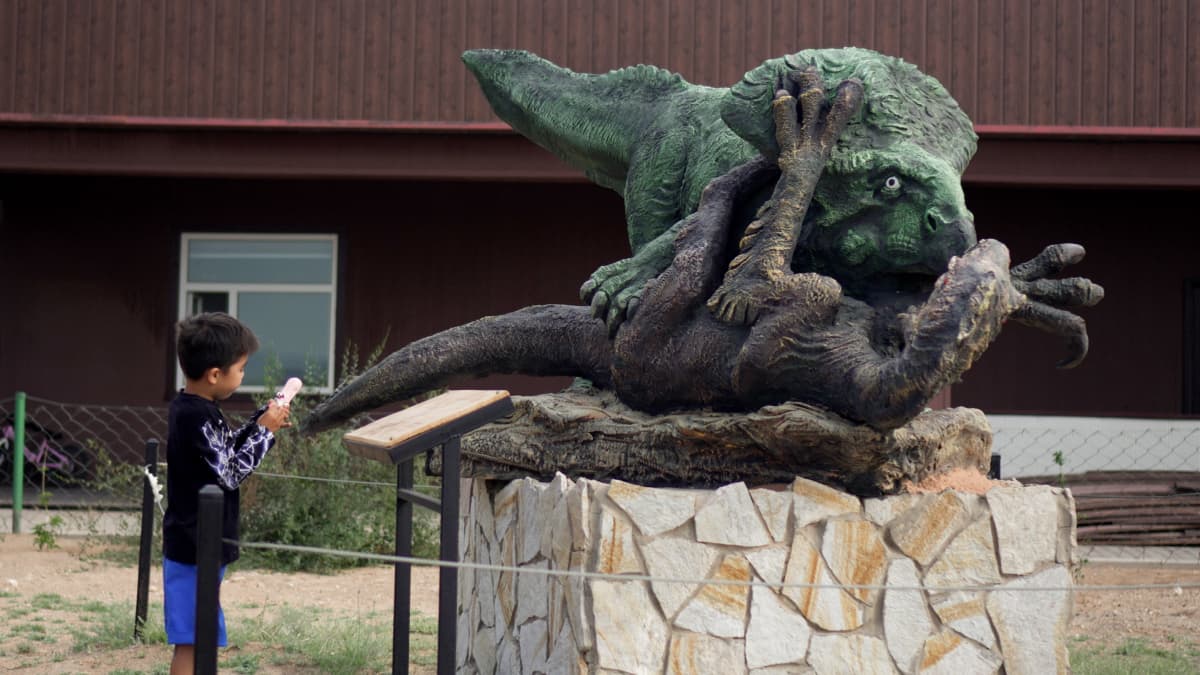
Learn about the natural and cultural heritage of Bayanzag through our interpretive exhibits and educational programmes.
What Visitors Often Remember
Visitors travel through the very land where dinosaurs once lived, seeing fossil fragments and eggshells with their own eyes. In the wide openness of the Gobi, they witness enormous sunsets and sunrises stretching across the horizon. At night, the desert sky is stark with billions of stars, including the Big Dipper and the North Star, while the Milky Way appears so vivid and close that it seems within reach.
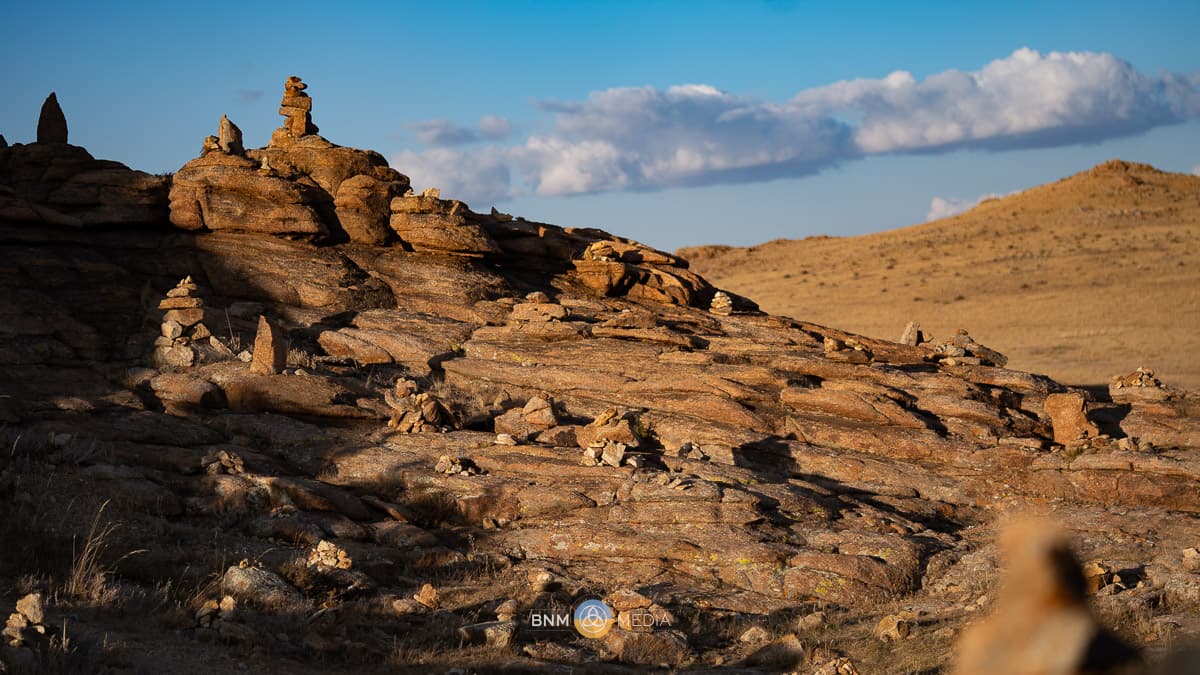
Travelers also encounter tracks of ancient caravan routes created more than 300 years ago. These camel caravan trails, established by the ancestors of Mongolian traders, once connected Asia and Europe along one of the world's earliest and longest overland trade routes. Visitors can still see the faint paths stretching toward the distant eastern slopes of the Arts Bogd Mountains, imagining the hardship and endurance required for multi-day caravan journeys across the harsh desert.
Visitors express deep appreciation for the efforts of local communities who continue to protect, revive, and promote historical and cultural traditions. Through these community-led efforts, Bayanzag remains not only a place of scientific importance, but also a living cultural landscape where history, nature, and traditional nomadic life continue to thrive together.
Protection & What We Have Accomplished
Before the 'Flaming Cliffs Cultural Management Plan 2018–2024' was adopted, there were extensive unregulated tourism activities, road erosion, littering, and even a plan to build a ger camp directly on top of the cliff edges. The management plan put a stop to this. Here is what we have achieved:
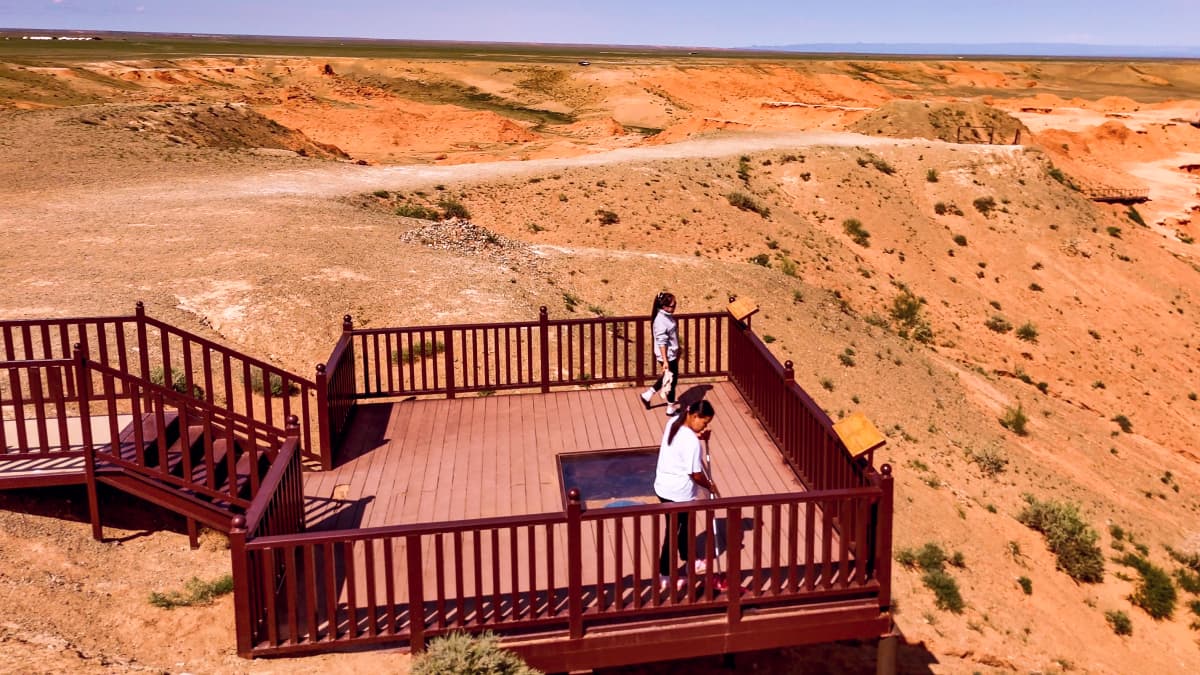
- Established a vehicle exclusion zone — no vehicles permitted within 70 metres of the cliffs, while traditional animal-drawn carts and herders' horses and camels may still pass freely
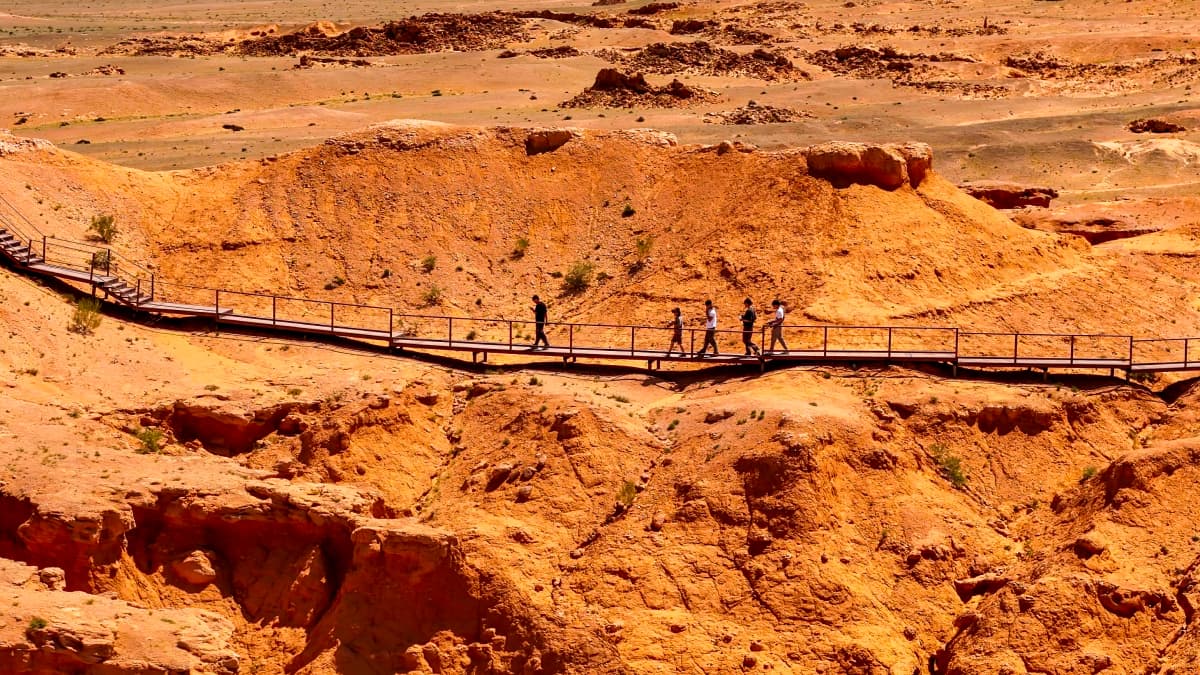
- Constructed a dedicated walking trail using purpose-built, durable materials, significantly reducing foot-traffic erosion across open ground
- Prohibited free camping across the site to further protect the natural condition of Bayanzag
- Plans to improve exhibits at the Bayanzag Visitor Centre and enrich them with replica displays of paleontological discoveries
- Plans to establish an additional information centre at fossil sites where rare early mammal specimens have been found, located 5–8 kilometres from the main viewing area
- A portion of Bayanzag's ticket revenue will be allocated to the Mongolian Institute of Paleontology to fund ongoing exploration and excavation at the site
- Domestic Visitors:3,000 MNT
- Tourists:10,000 MNT
Plan Your Journey to Bayanzag
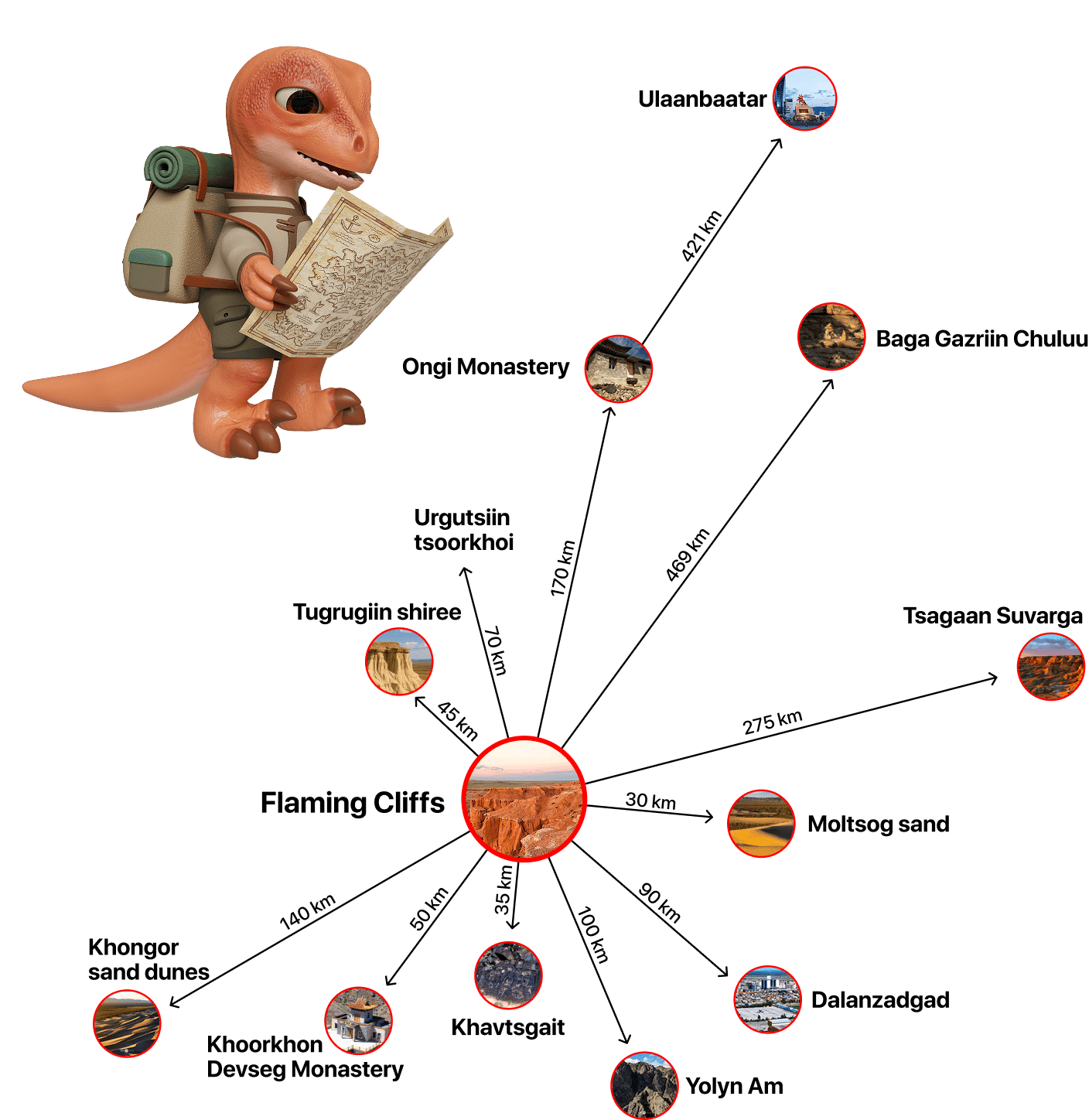
Getting There
Located in the Gobi Desert, the Flaming Cliffs are about 120 km from Dalanzadgad. Options to reach the site include:
Self-Drive
A 4×4 vehicle is recommended, but taxis often use standard vehicles depending on rental.
Guided Tours
Day trips or multi-day expeditions led by experienced local guides.
By Flight
Domestic flights to Dalanzadgad, followed by a 120 km drive to the site.
Best Time to Visit
The ideal window is May through October, with mild weather and accessible roads across the Gobi.
Visitor Guidelines
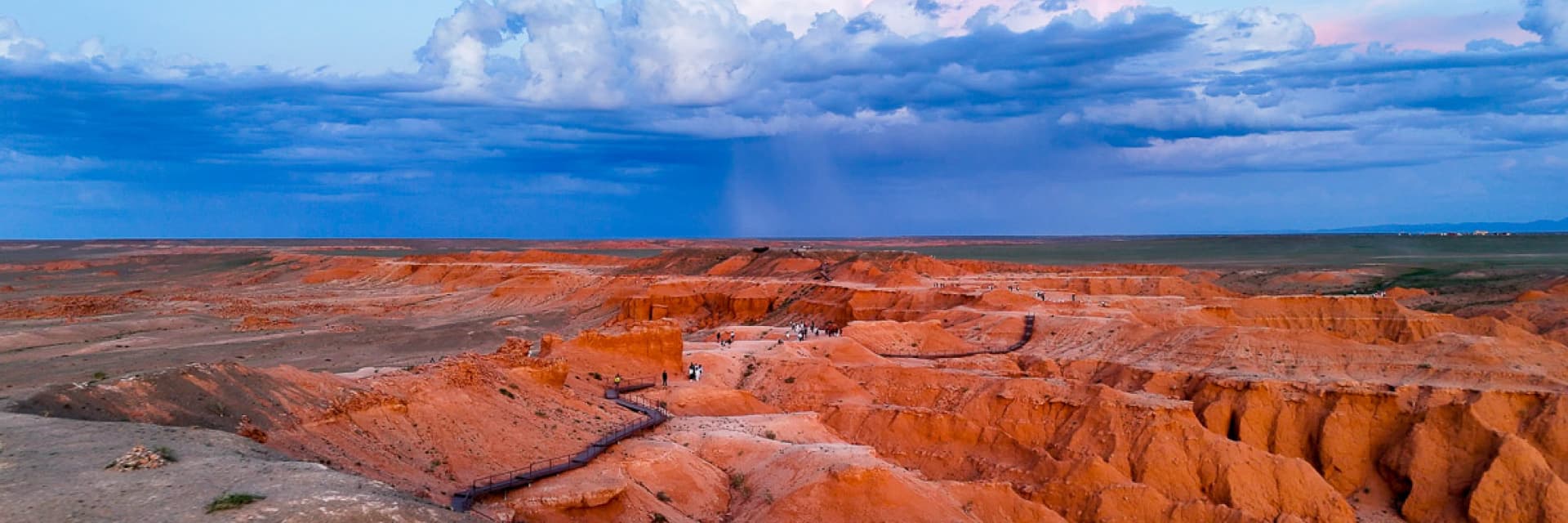
Uncover Legendary Stories
From Roy Chapman Andrews to nomadic herders, the Flaming Cliffs have witnessed extraordinary chapters of human and natural history.