Flaming Cliffs: Story
The Prelude
Mongolia Before The Discovery
The Mongolian Gobi has long been recognized by leading international scholars as one of the earliest centers where life emerged and later spread across the world. Dr. Henry Fairfield Osborn, Director of the American Museum of Natural History, once described Asia as the cradle of the continents. Russian palaeontologist I.A. Efremov noted that while many regions of the Earth were submerged beneath ancient seas, the territory of Mongolia remained one of the oldest continuous land masses.
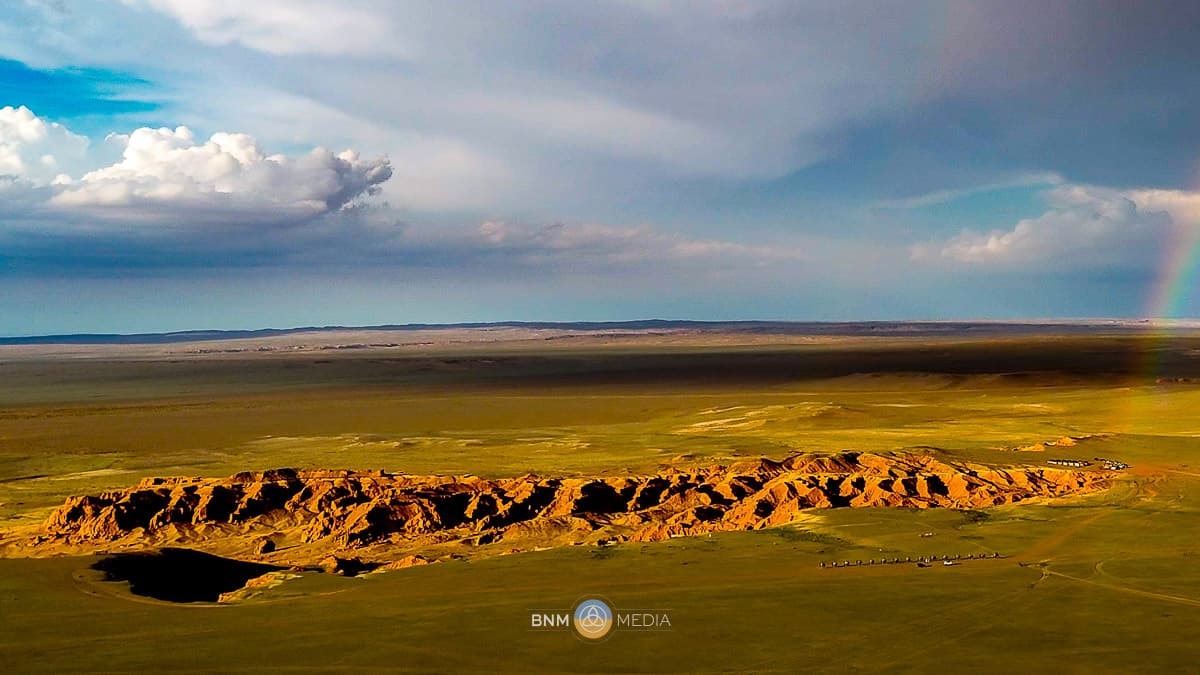
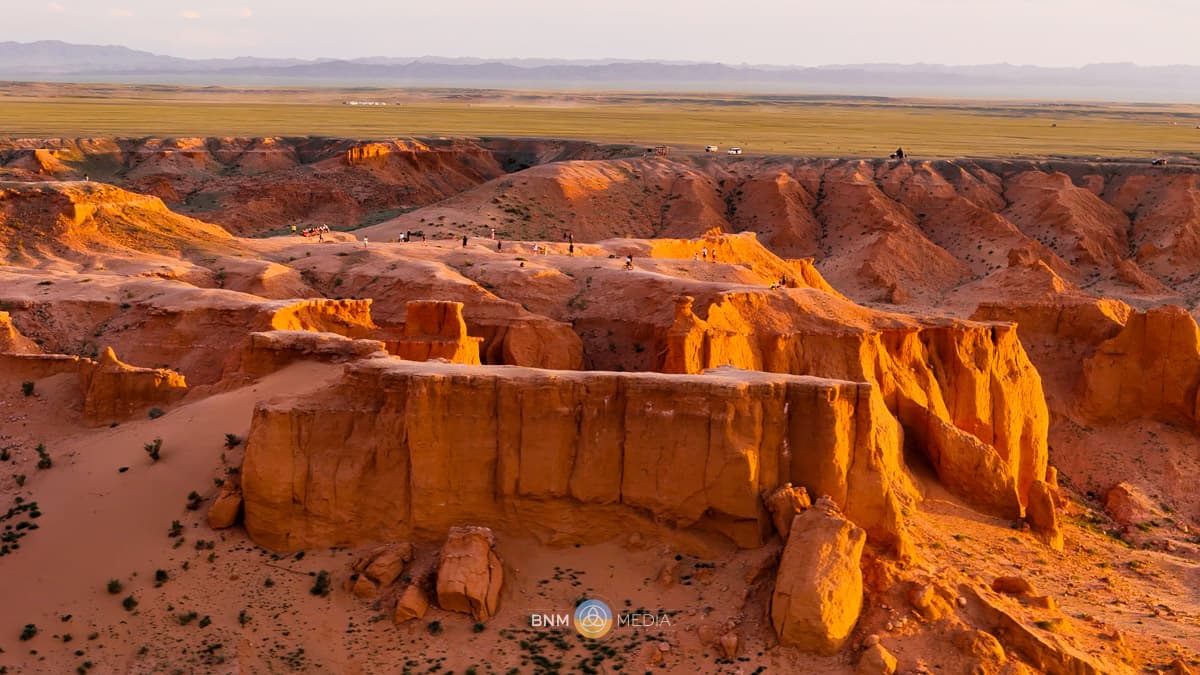
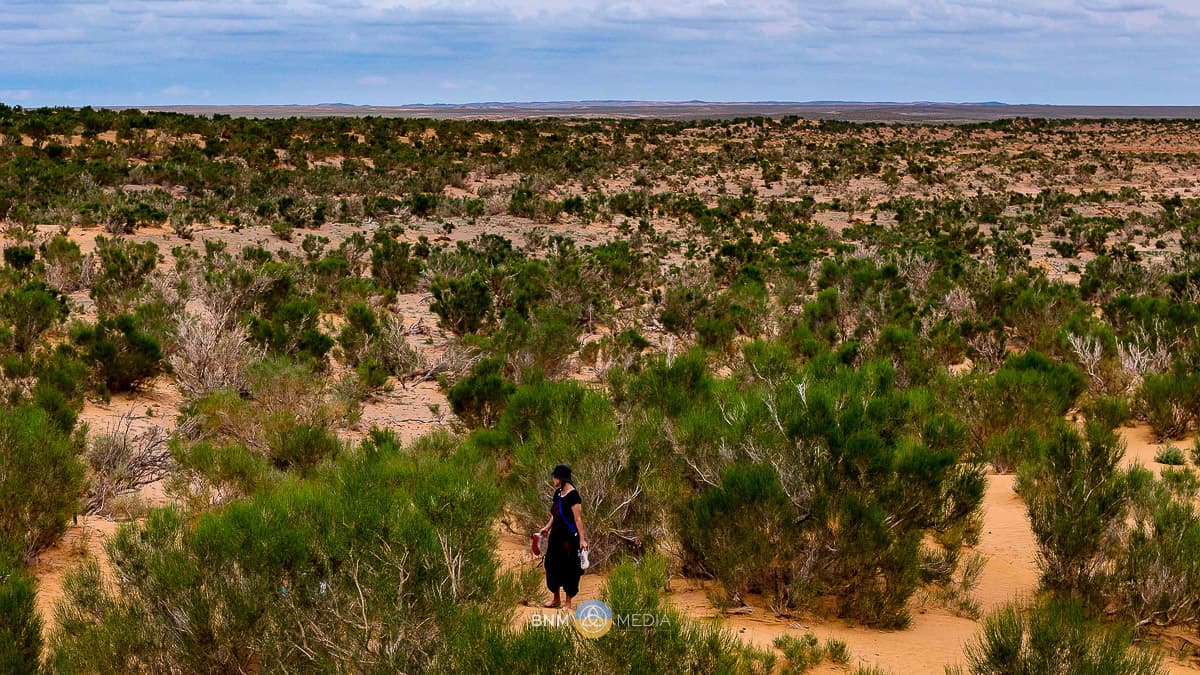
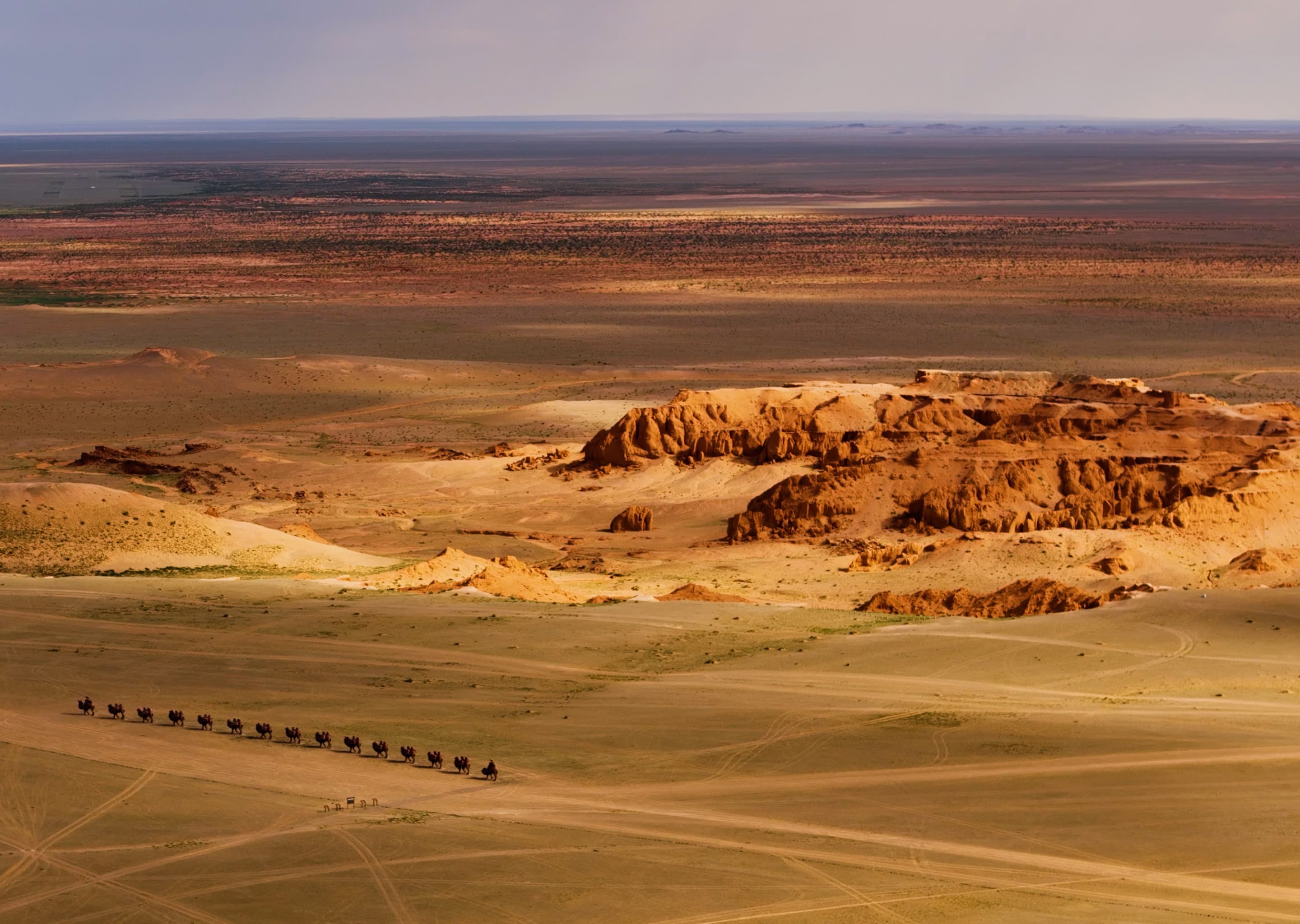
Bayanzag — known locally as Temeen Shavar or Camel Cliffs — is located in the Bulgan village of Umnugovi province. It is more than a dinosaur fossil site: a landscape reflecting millions of years of natural history and thousands of years of human presence. It also lies along the historic Tea Road, an ancient caravan route connecting Beijing through the Mongolian Gobi to Karakorum, then westward toward Turkestan and Kashgar, linking Central Asia with Europe.

Roy Chapman Andrews
The Man Behind The Legend
Roy Chapman Andrews, an American explorer and paleontologist working for the American Museum of Natural History, was driven by a profound curiosity about Earth's past. With the ambition of discovering the origins of life in Asia, Andrews began meticulously planning the Central Asiatic Expeditions in 1921.
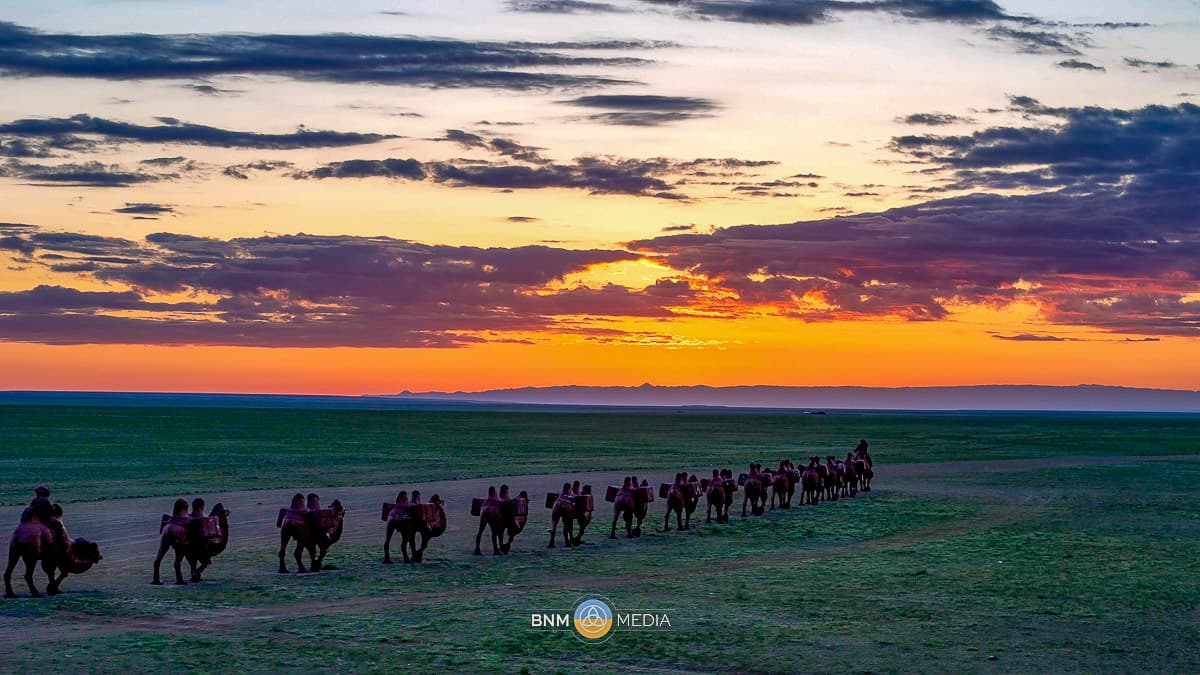
His expedition used Ford Model-T motor vehicles alongside traditional camel caravans — a fusion of old and new world that defined the spirit of discovery. They carried tents, excavation tools, and photographic equipment across the uncharted Gobi
Central Asiatic Expeditions
A Decade Of Discovery (1922–1930)
In July 1923, Andrews and his team made their most groundbreaking discovery at the Flaming Cliffs: fossilized dinosaur eggs, the first ever found in human history. This find conclusively proved dinosaurs reproduced through egg-laying, dramatically transforming the scientific understanding of dinosaur biology. The discovery instantly elevated the Flaming Cliffs to global prominence, making headlines worldwide.
Uncovering Iconic Species
A Decade Of Discovery (1922–1930)
Beyond Eggs, The Flaming Cliffs Yielded Numerous Remarkable Fossils, Providing Invaluable Insights Into Prehistoric Life:
Velociraptor mongoliensis
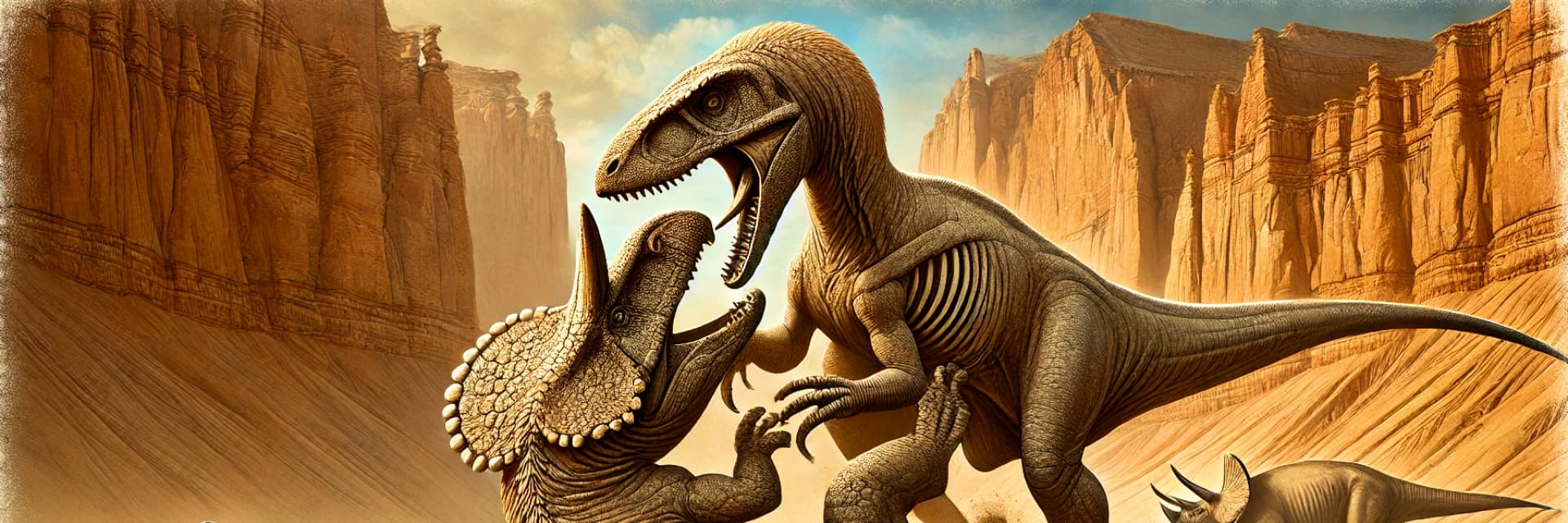
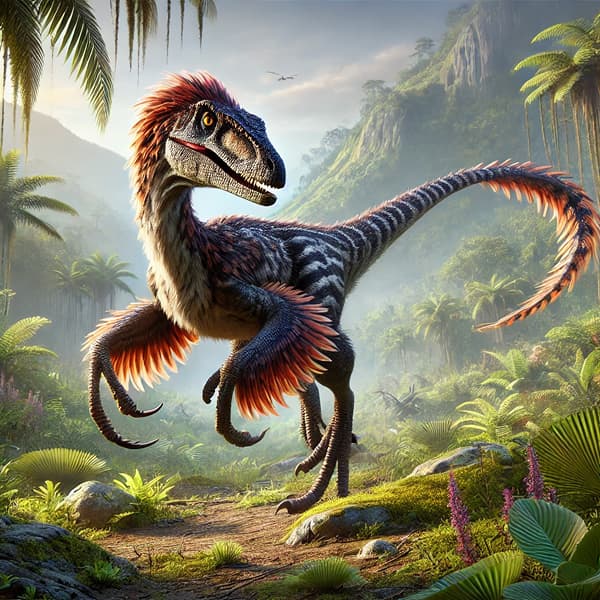
1924First described by Henry Fairfield Osborn, the Velociraptor became famous through multiple significant finds at the Flaming Cliffs. This agile, intelligent predator was smaller than portrayed in popular culture—about the size of a turkey—but lethal, with razor-sharp claws. Its most notable fossil, the “Fighting Dinosaurs,” preserves a dramatic predator-prey encounter with Protoceratops.
Protoceratops andrewsi
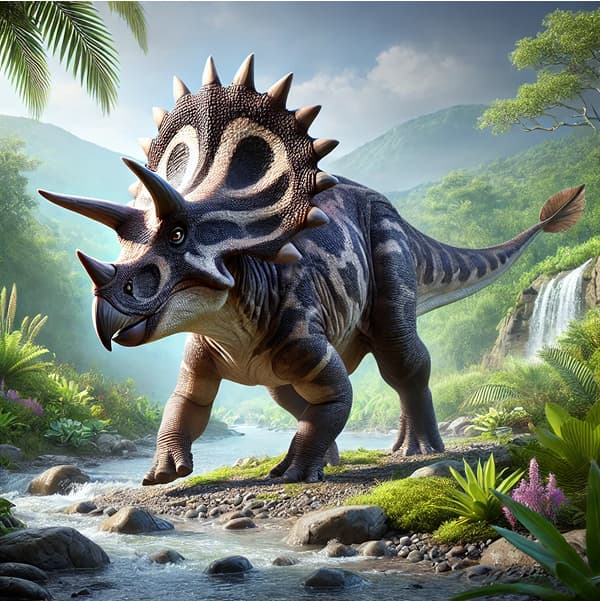
1923Discovered by Andrews himself and named in his honor, Protoceratops became one of the most abundant fossils at Bayanzag.These small, frilled, hornless ceratopsians were herbivorous dinosaurs that moved in herds, evidence indicated by fossilized nests and eggs. Their remains provided unprecedented details about dinosaur nesting behaviors and social structure.
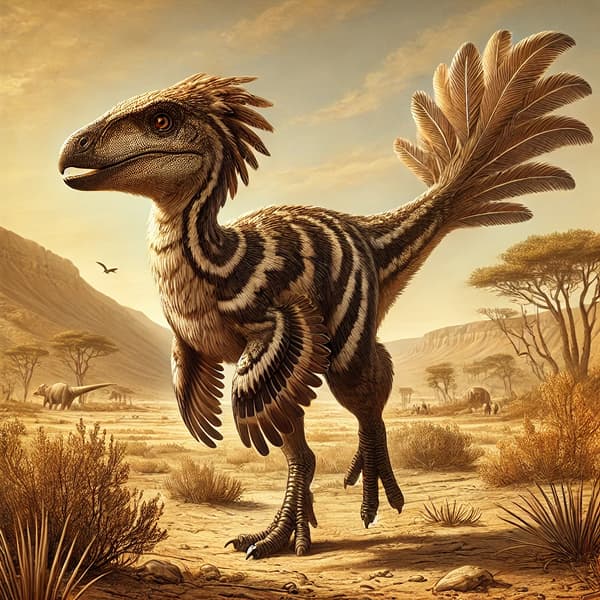
Oviraptor philoceratops
1924Initially misunderstood as an “egg thief” due to fossils found near nests, later research revealed that Oviraptor was actually protecting its own eggs. These finds at the Flaming Cliffs significantly corrected paleontological misconceptions, offering a remarkable glimpse into dinosaur parental behaviors.
Flaming Cliffs Today
Walking In History
Bayanzag remains an active research site attracting paleontologists worldwide. The surrounding region has produced some of the world's most remarkable discoveries — including the famous fossil of a Protoceratops and Velociraptor locked in combat, and a nest of 17 juvenile Protoceratops preserved together. The nearby Arts Bogd area contains a 10,000-square-metre Stone Age tool-making workshop, along with rock art dating back 15,000–20,000 years.
In recent years, increased rainfall has significantly improved biodiversity. New colonies of the Great Gerbil have formed in the saxaul forests, and predator species including the Pallas's Cat, Marbled Polecat, Saker Falcon, and Long-legged Buzzard have benefited from the improved prey base.
The local name 'Temeen Shavar' — Camel Cliffs — was given by herders who revered the towering sand formations and knew from scattered fossilized bones that this land was once home to ancient giants. Little did they know that an American explorer had given their home another name entirely — the 'Flaming Cliffs' — and had already made it famous across the world. Now they know their homeland produced the first dinosaur eggs the world had ever seen, and that makes them very proud.
Photo & Video Gallery
View all →The Flaming Cliffs are more than just a historical site — they're a visual wonder.