Discover
Mongolian Culture
Mongolia’s culture is shaped by open landscapes, nomadic movement, family traditions, horses, hospitality, music, and a deep respect for nature. It is not only something to watch, but something to experience slowly with local people.
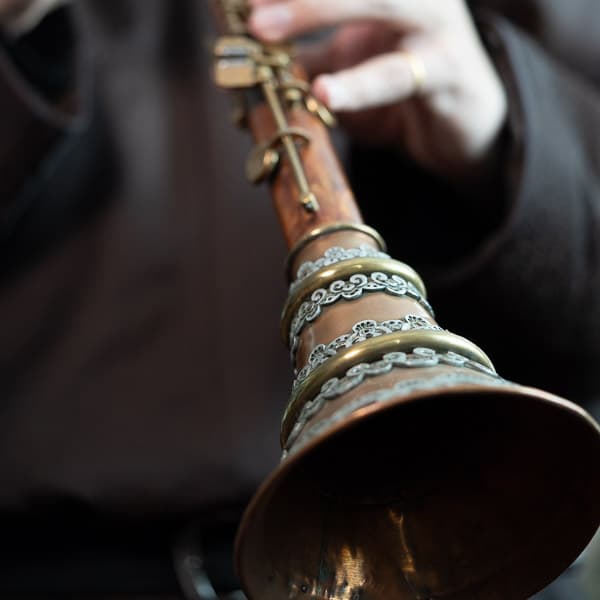
Living Heritage
A Culture Still Connected To The Land
Mongolian culture is not only preserved in museums or festivals. It is still alive in the daily rhythm of nomadic families, in the way guests are welcomed, in the sound of horses, and in the quiet respect people show toward mountains, water, animals, and sky.
For travelers, the most meaningful cultural moments often happen naturally: sharing milk tea inside a ger, watching a family care for their animals, listening to music, or learning why the open steppe is so important to Mongolian identity.
Cultural Highlights
What Travelers Can Experience
Nomadic Family Life
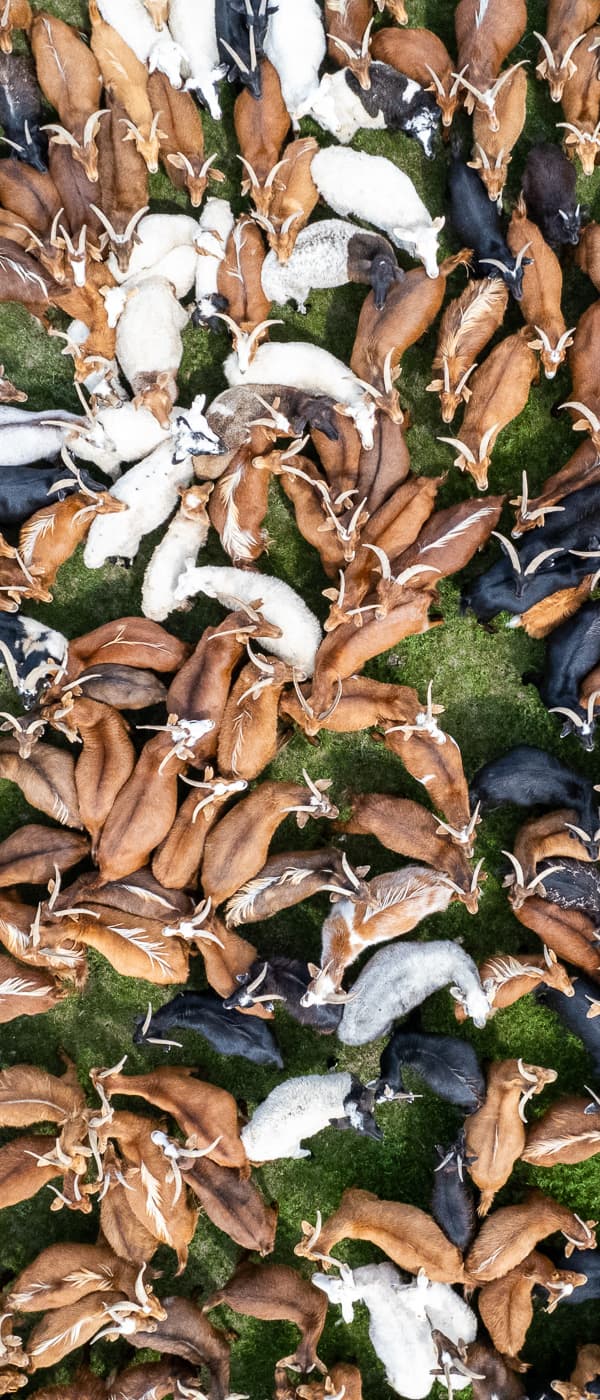
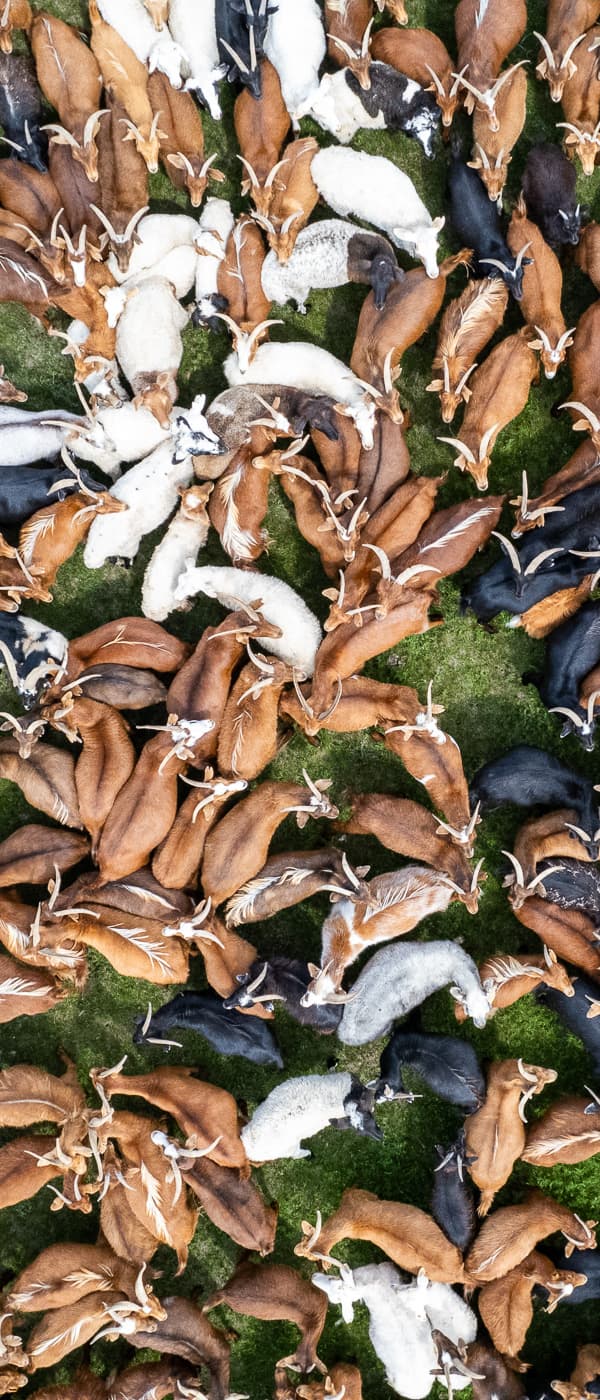
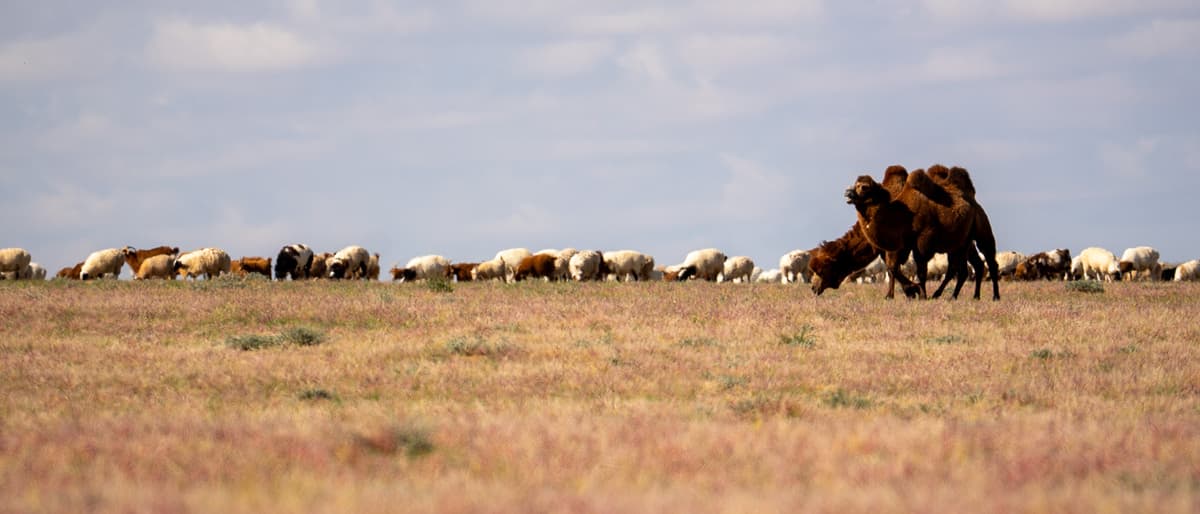
Mongolian culture is still deeply connected to nomadic life. In the Gobi and steppe regions, families live with their animals, follow the seasons, and welcome guests with warm tea, dairy products, and quiet hospitality.
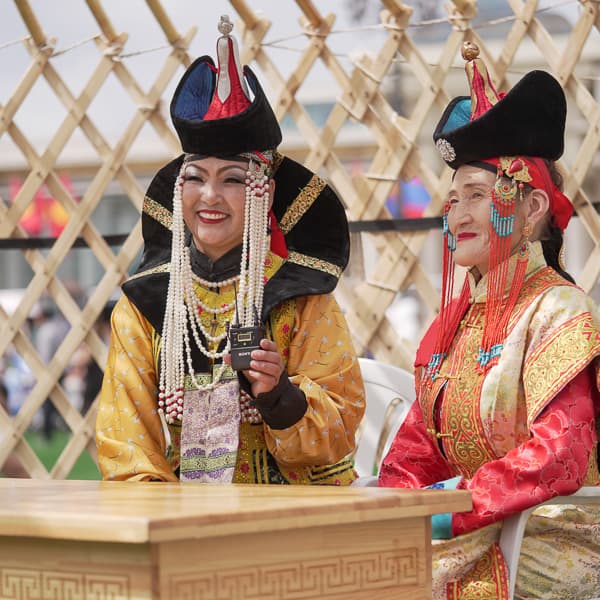
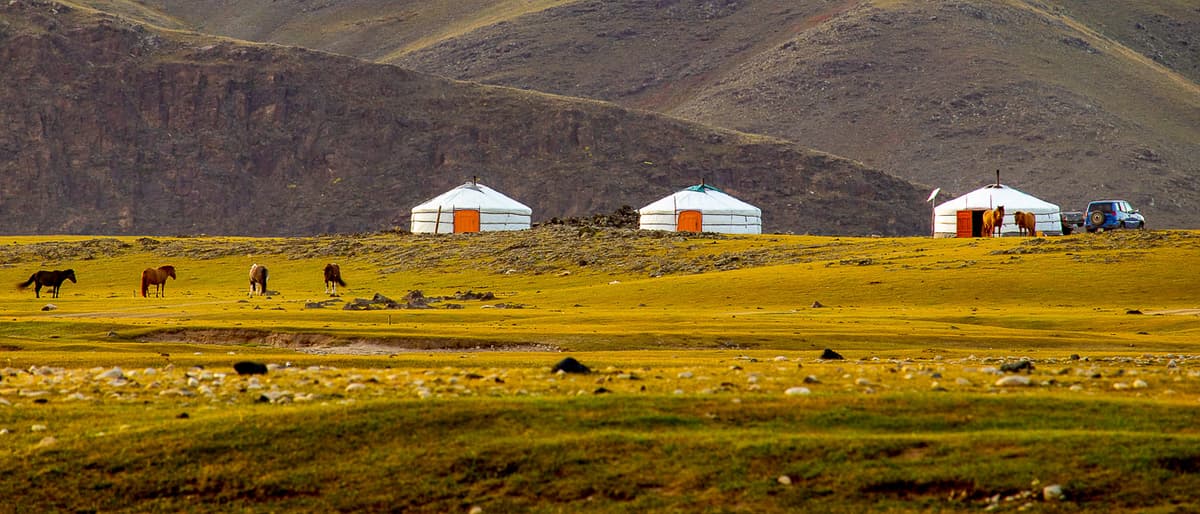
Ger Home
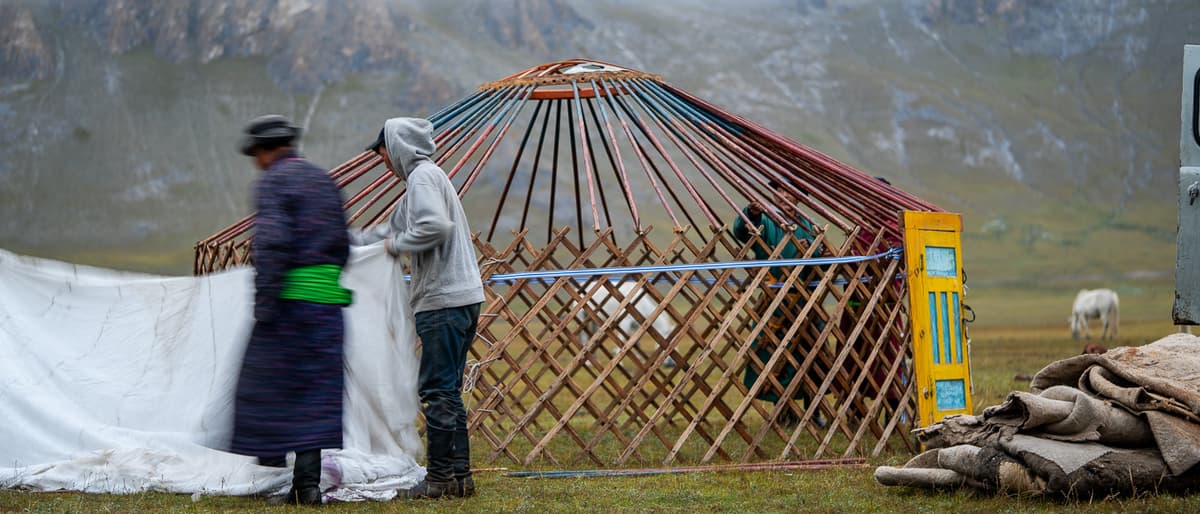
The ger is more than a shelter. It is a family space, a symbol of movement, and a traditional home designed for Mongolia’s open landscape and changing weather.
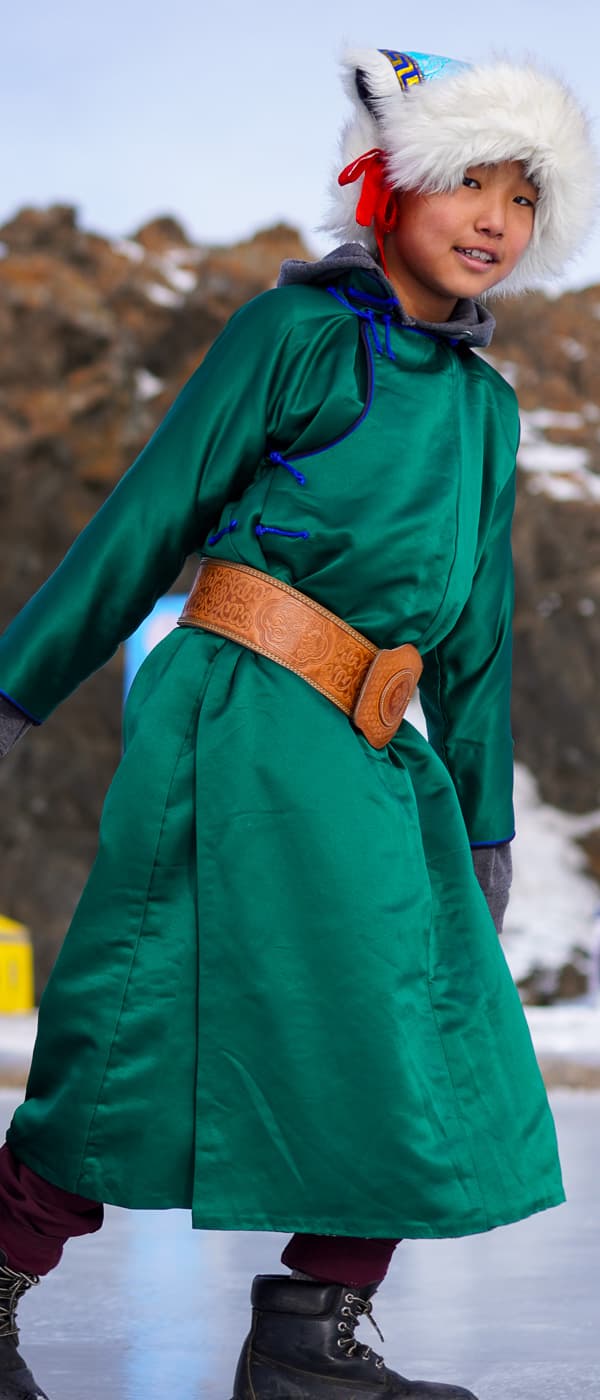
Horses & Freedom
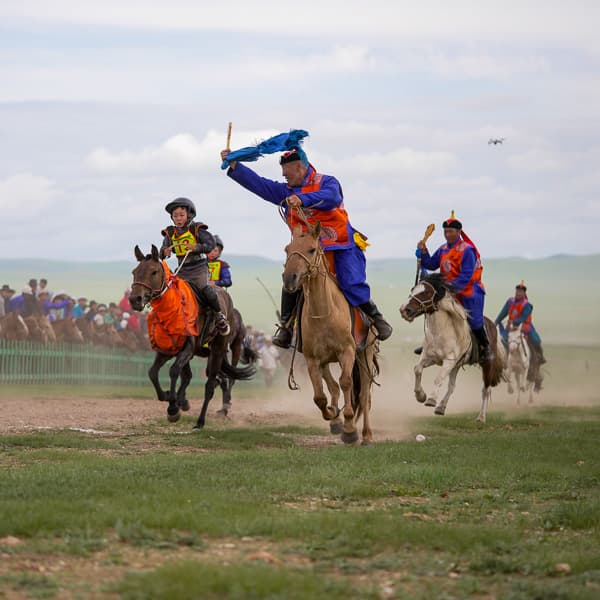
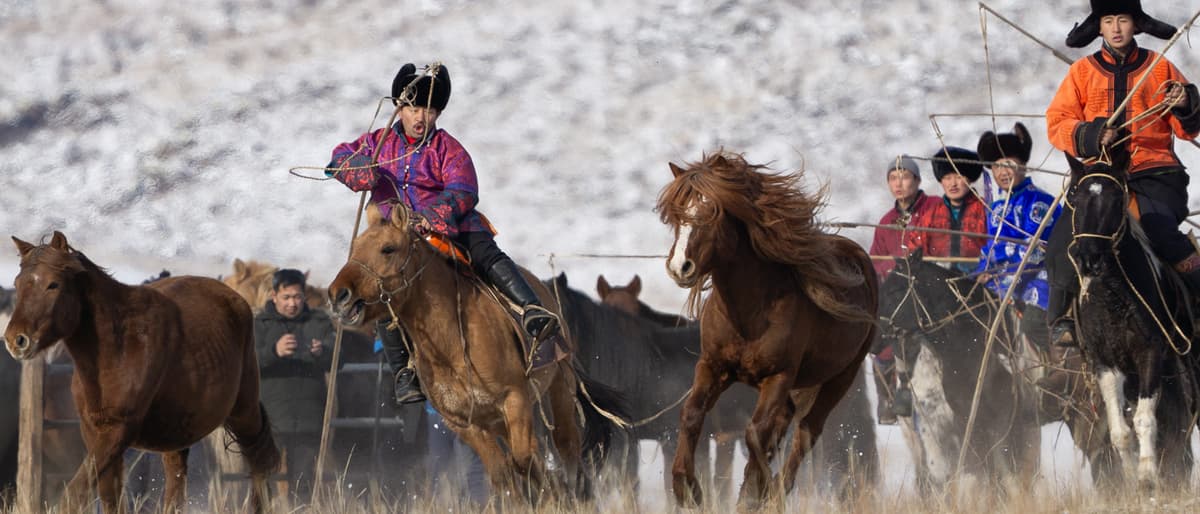
Horses are central to Mongolian identity. They represent independence, distance, skill, and the deep relationship between people and the land.
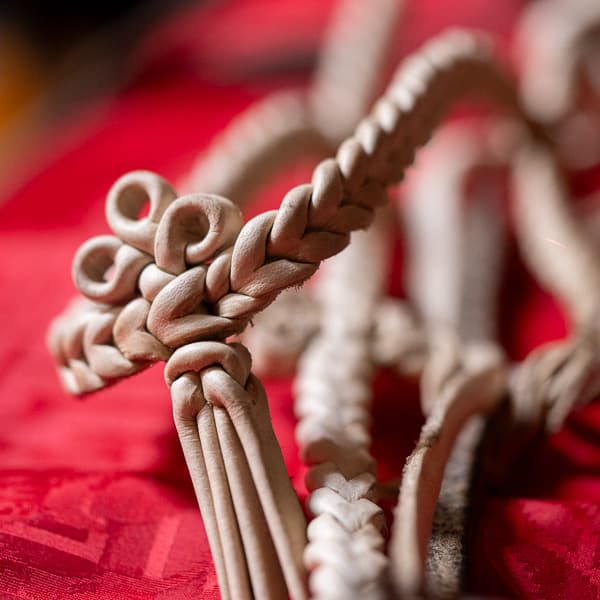
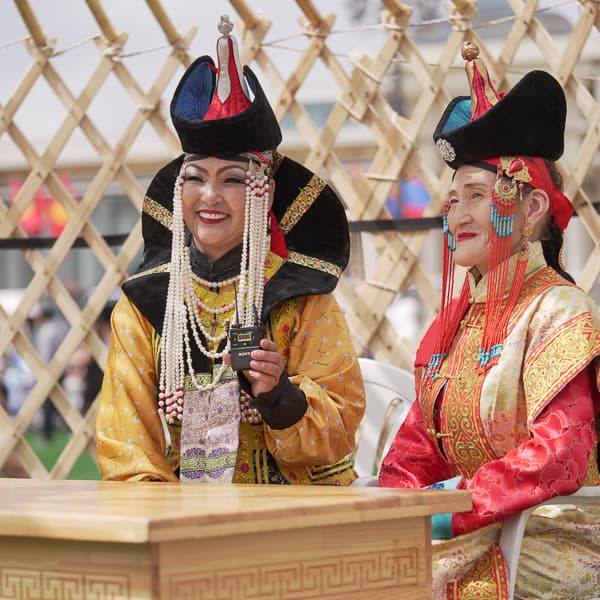
Traditional Clothing
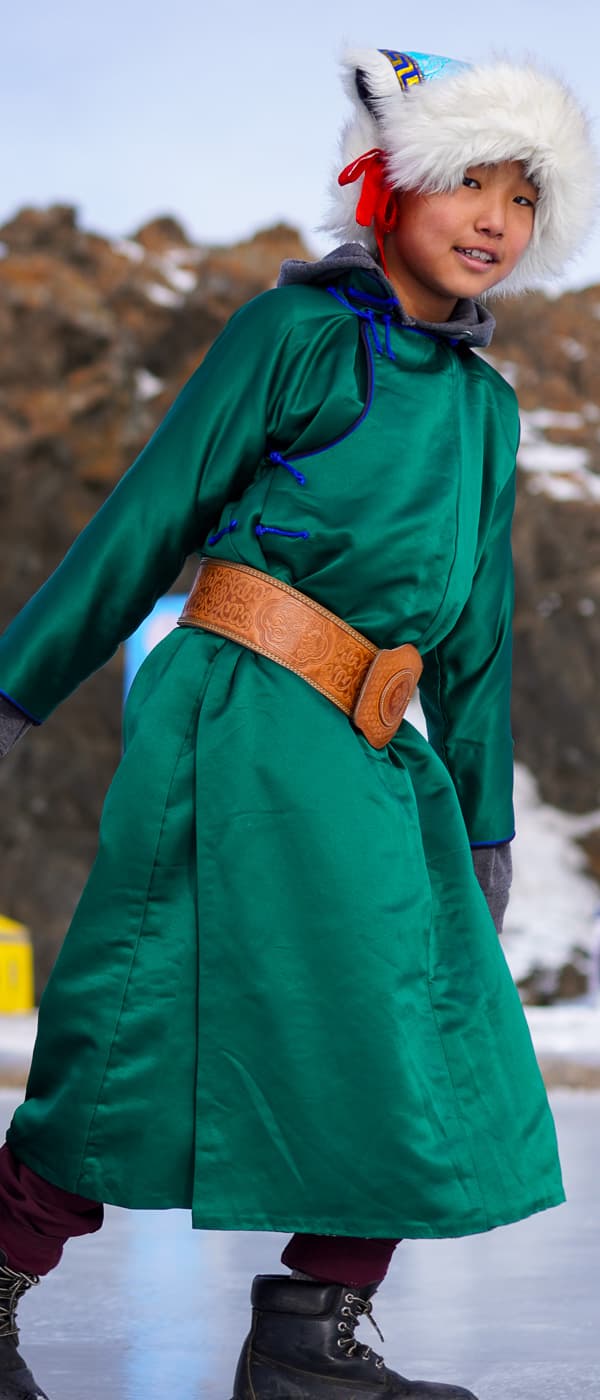
The deel is Mongolia’s traditional clothing. Its design is practical for horse riding, cold weather, and daily nomadic life, while also carrying regional colors and style.
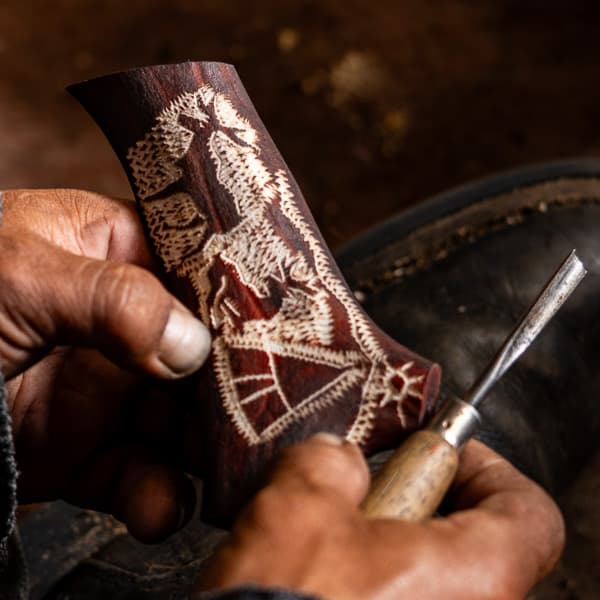
Food & Hospitality
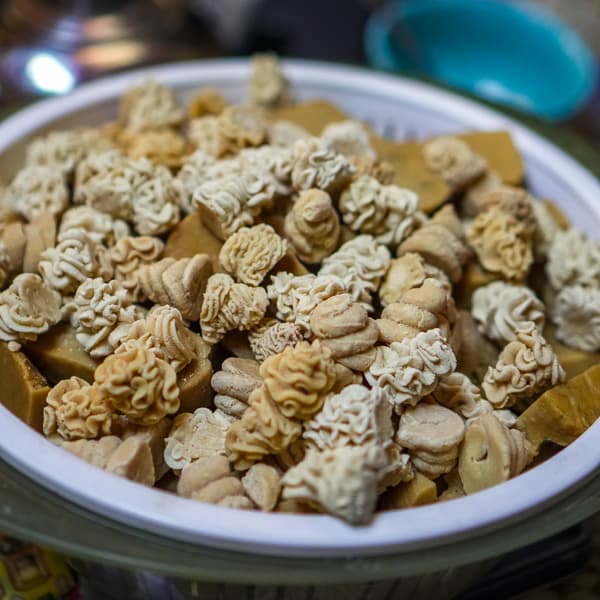
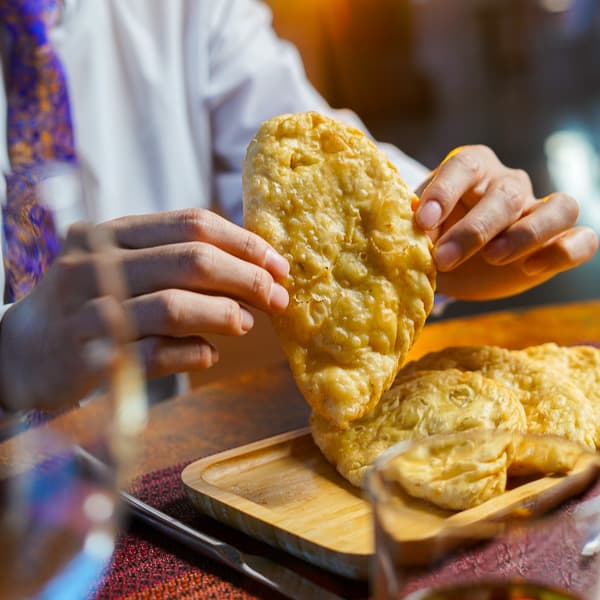
Mongolian meals are simple, filling, and shaped by the environment. Meat, dairy, tea, and handmade food are often shared with guests as a sign of respect.
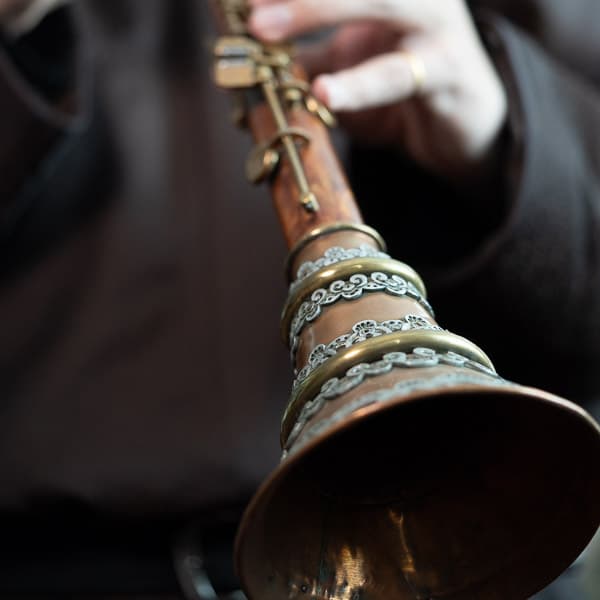
Music & Storytelling
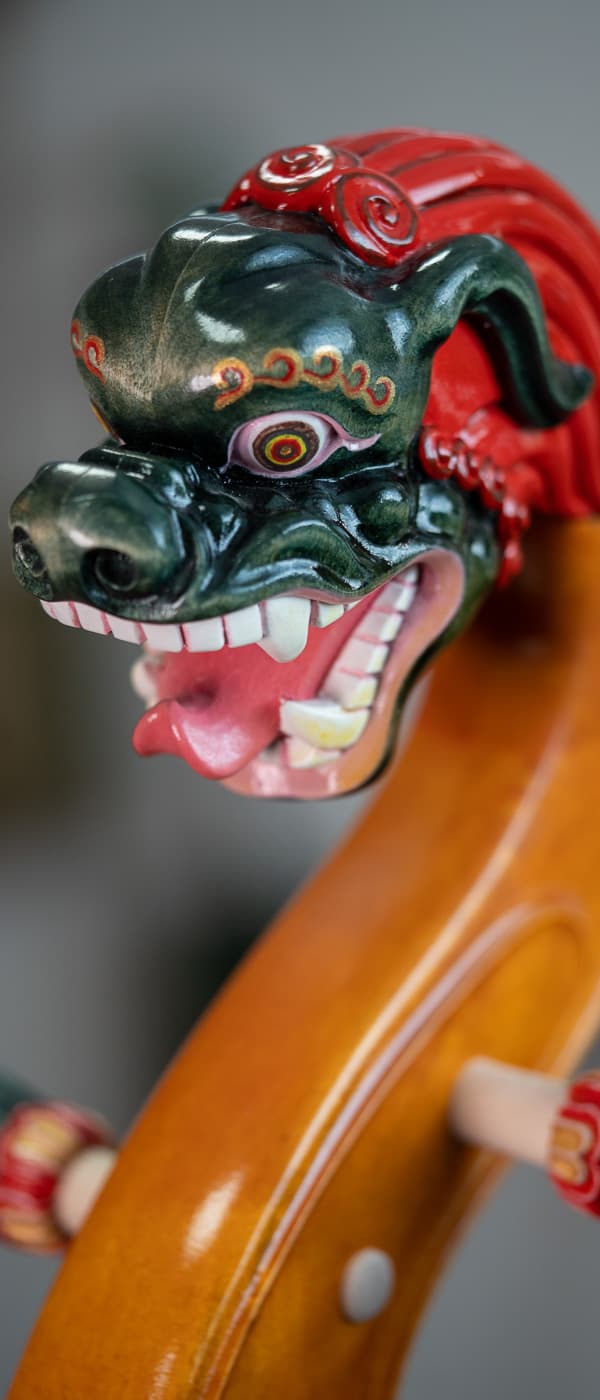
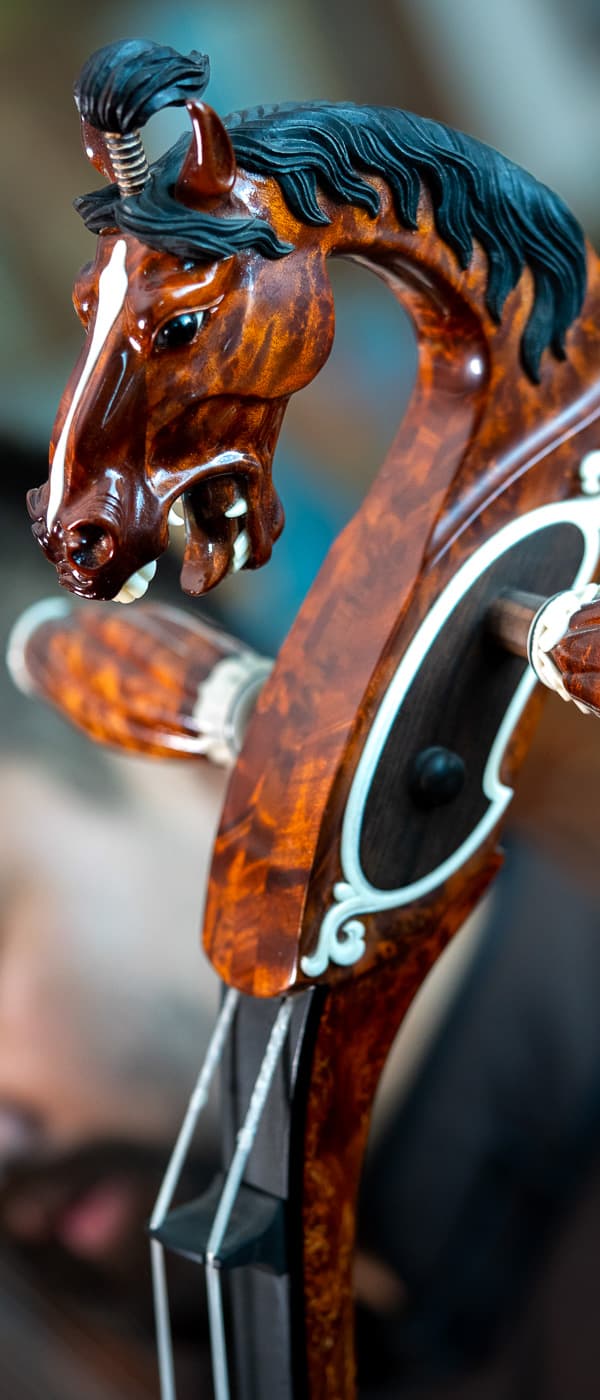
Long song, morin khuur, throat singing, and oral stories carry the memory of Mongolia’s landscapes, heroes, animals, and spiritual world.
Cultural Values
What Makes Mongolian Culture Special
Travel Respectfully
How To Be A Good Guest
When visiting nomadic families, small gestures matter. Accepting tea, listening before photographing, and following your guide’s advice helps make the experience respectful for both travelers and hosts.
Culture is not a performance. It is someone’s home, daily life, and family tradition. The best journeys are built on patience, curiosity, and respect.
Photo Story
Moments From Mongolian Culture
Historic Landscape
Nart Mountain & The Last Winter of Genghis Khan
About 60 kilometers north of Bayanzag rises Nart Mountain, a quiet peak whose northern slope shelters a spring-fed hollow called Övdög Tsoorkho. Historical records indicate that Genghis Khan — Ezen Chingis Khaan — spent the final winter of his life in this very valley. He had gone to war against the Tangut kingdom to the south but was fatally injured when thrown from his horse while hunting wild horses. Unable to continue, he wintered here and died before spring could bring him home.
Legend says his body was then carried north to Burkhan Khaldun mountain for burial. Behind Nart Mountain stands a memorial dedicated to Genghis Khan, erected by the Mongolian Secret History Company — a place where visitors can pause in the shadow of one of history's greatest figures.
The wider Bayanzag region thus holds not only the deep past of dinosaurs and prehistoric humans, but also the living memory of the Mongol Empire — all within a single landscape.
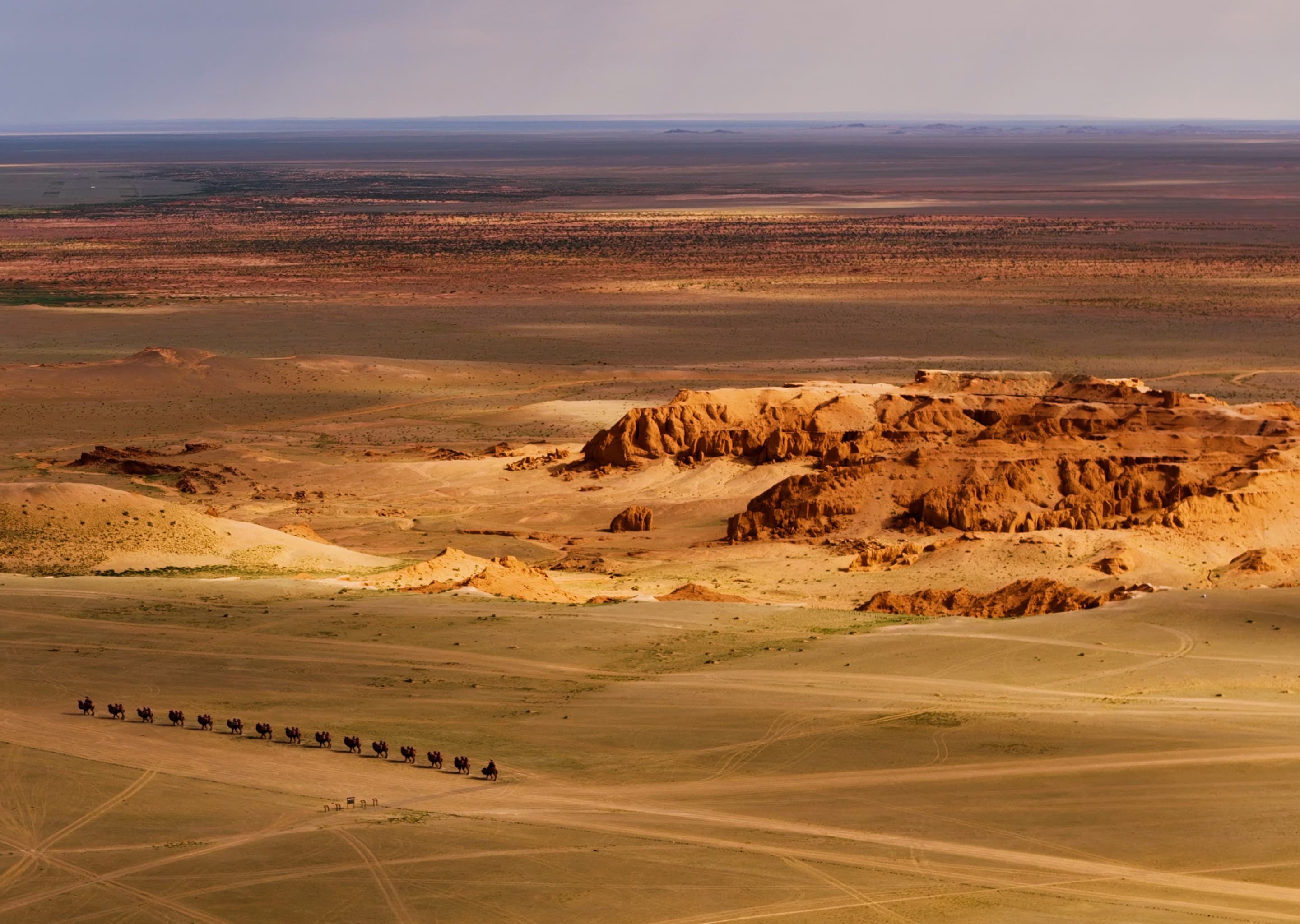
Living Tradition
The Camel Caravan — A Tradition Still Alive
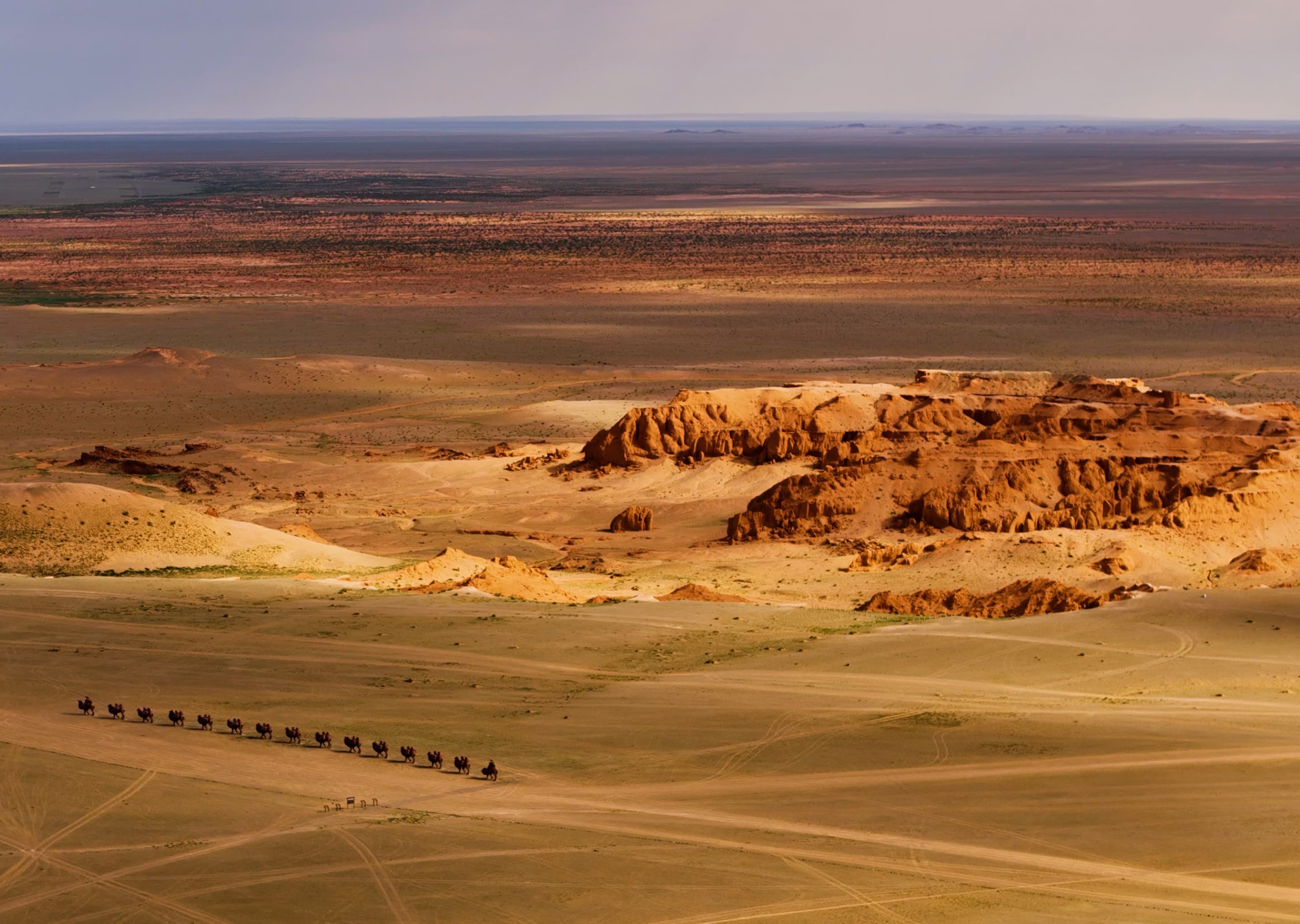
The camel caravan tradition is one of the most distinctive cultural contributions of the Mongolian people to world history. For centuries, Mongolian caravans organized the movement of goods along the Tea Road — a route stretching from China's Hohhot through the Gobi, entering Mongolia through Umnugovi, passing Khanbogd, Bayan-Ovoo, Khanghor, and Bulgan soums, reaching the ancient capital Kharkhorin, and continuing westward to Khovd, Uliastai, Turkestan, and Kashgar.
Mongolians organized and led the majority of these caravans. Each camel carried between 300 and 400 kilograms of goods. Traders brought tea, silk, and manufactured items into Mongolia's interior, and returned with leather hides, livestock furs, and dairy products for Chinese markets.
Today, local herder families near Bayanzag continue to offer camel riding and traditional nomadic services to visitors — keeping this ancient tradition alive in a form that travelers can experience directly. As part of the 2026 management plan, camel caravan displays have been restored at the site to present this living heritage to international guests.
Experience Mongolia
Meet Mongolia Through Its People
Join a journey where culture is experienced through real meetings, local stories, nomadic hospitality, traditional food, music, and the landscapes that shaped Mongolian life.